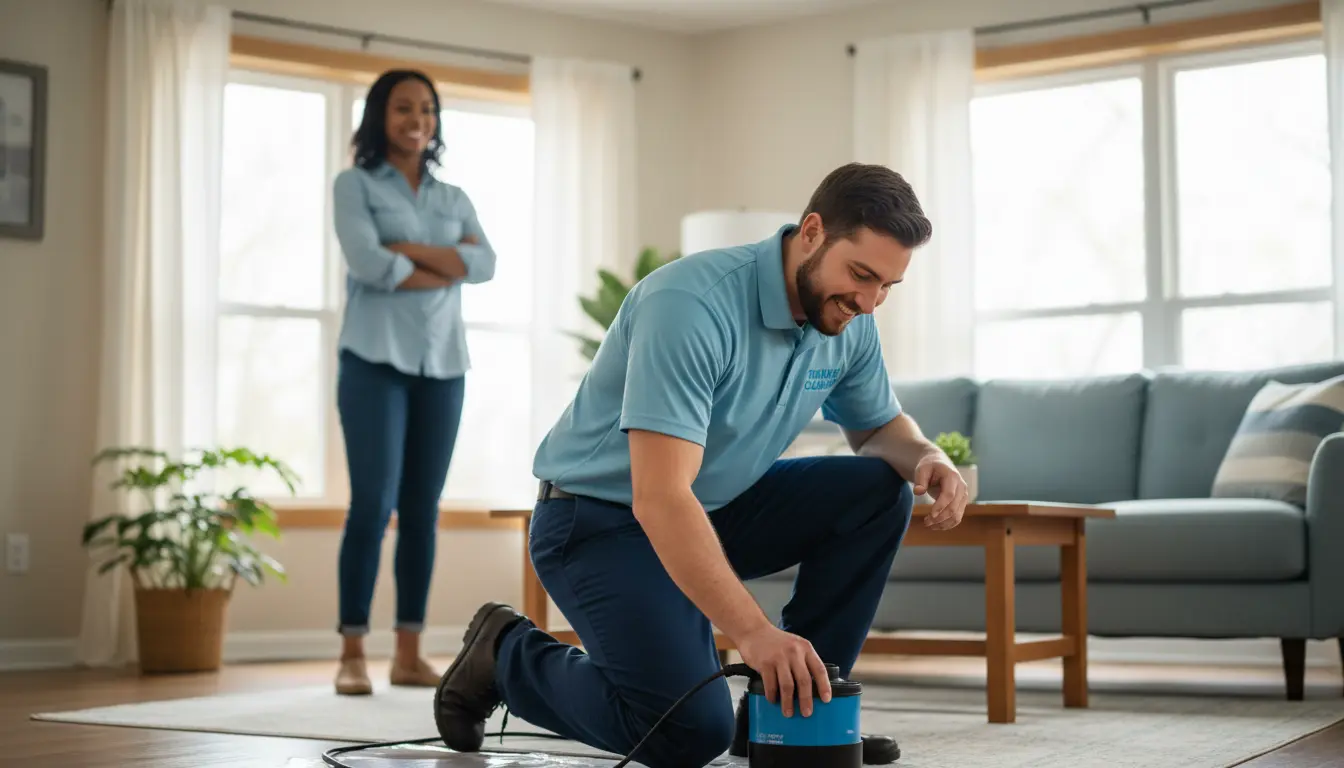
The most dangerous thing about a trauma scene is not the visible blood or tissue. Most people assume that once the obvious biohazards are removed, the space is safe. In reality, the invisible biological contaminants—bloodborne pathogens, aerosolized bacteria, and microscopic organic matter—pose a far greater and longer-lasting threat to anyone who enters the property. In Milwaukee, where historic homes with porous wood floors and humid lake-effect conditions accelerate biological degradation, the window for safe, effective remediation is critically short. This is why a step-by-step guide to professional trauma cleanup in Milwaukee is not merely helpful—it is a non-negotiable safety imperative for property owners, families, and business operators.
Untrained individuals who attempt DIY cleaning often miss deeply embedded contamination. They use household bleach, which can actually fixate proteins from blood onto surfaces, making the hazard harder to remove and creating a long-term health risk. Professional trauma cleanup follows a strict remediation protocol grounded in the IICRC S540 standard and OSHA’s Bloodborne Pathogens Standard 29 CFR 1910.1030. This guide will walk you through the exact technical process, explain why every step matters, and show you why Milwaukee Trauma Cleanup is the trusted authority for restoring safety and peace of mind in the Milwaukee area.
Initial Risk Assessment and Scene Stabilization
The first step in any professional trauma cleanup is not cleaning at all—it is a comprehensive risk assessment. A certified technician arrives on site in Milwaukee and immediately evaluates the scope of the contamination, the type of biohazard present (blood, bodily fluids, tissue, or decomposition fluids), and the structural characteristics of the property. This assessment determines the level of personal protective equipment required, the type of chemical agents needed, and the containment strategy. In older Milwaukee homes, for example, deep-set floorboards and plaster walls can trap biological material for weeks, requiring a more invasive approach than modern drywall construction.
Scene stabilization also involves establishing a regulated containment zone. Technicians set up negative air machines to create a pressure differential that prevents airborne pathogens from migrating to unaffected areas of the building. This is critical in multifamily dwellings or commercial spaces where cross-contamination could endanger neighboring units. The assessment phase also includes checking for secondary hazards such as sharps (needles, broken glass), chemical residues, or structural instability caused by prolonged biological exposure. Only after the scene is fully assessed and contained does the physical removal process begin.
Personal Protective Equipment and Engineering Controls
Before any biohazard is touched, the remediation team dons full personal protective equipment. This includes Tyvek suits, N95 or P100 respirators, chemical-resistant gloves, face shields, and boot covers. The level of PPE is dictated by the risk assessment and the specific pathogens potentially present—hepatitis B and C, HIV, MRSA, and a host of other bloodborne or airborne threats. In Milwaukee, where seasonal humidity can accelerate mold growth alongside biological decomposition, technicians may also use respirators with organic vapor cartridges to protect against volatile organic compounds released by decaying matter.
Engineering controls are equally important. Negative air machines are supplemented with HEPA filtration units that capture 99.97% of airborne particles down to 0.3 microns. These machines run continuously throughout the remediation process to maintain a clean airflow and prevent the spread of contaminants. Technicians also use specialized containment barriers and zoned entry points to ensure that only trained personnel access the affected area. This layered approach to safety is not optional—it is mandated by OSHA and is a core part of the step-by-step guide to professional trauma cleanup in Milwaukee that every certified company follows.
Physical Removal of Biohazardous Materials
Once the scene is secure, the physical removal phase begins. This is the most intensive part of the process and involves the careful extraction of all visible biohazardous materials. Technicians use hospital-grade disinfectants and specialized enzyme treatments to break down blood and bodily fluids at the molecular level. Enzymes are particularly effective because they digest organic matter, making it easier to remove from porous surfaces like wood, carpet, and grout. In Milwaukee, where many properties have historic hardwood floors, enzyme treatments are often preferred to harsh chemicals that could damage the wood or leave residue.
All contaminated materials—from blood-soaked carpet to saturated drywall—are carefully cut, bagged, and sealed in biohazard waste containers. This waste is then transported to a licensed medical waste disposal facility, not a standard landfill. The disposal process is governed by Wisconsin state regulations and federal DOT rules for transport of regulated medical waste. Technicians also document every step with photographs for insurance and legal purposes, which is often a requirement for property owners filing claims. This documentation can be invaluable for families dealing with the aftermath of a traumatic event.
Advanced Cleaning and Disinfection Protocols
After the visible contaminants are removed, the real work of disinfection begins. Technicians apply EPA-registered hospital-grade disinfectants that are proven to kill a broad spectrum of pathogens, including bloodborne viruses, bacteria, and fungi. These chemicals are left on surfaces for a specific dwell time—often 5 to 10 minutes—to ensure complete inactivation. The choice of disinfectant depends on the surface type and the pathogen profile. For example, quaternary ammonium compounds are effective on non-porous surfaces, while accelerated hydrogen peroxide is preferred for porous materials like fabric and unsealed wood.
To verify that disinfection is complete, technicians use adenosine triphosphate (ATP) testing. ATP is a molecule found in all living cells, and a handheld luminometer measures the level of ATP on a surface after cleaning. A low reading indicates that biological material has been effectively removed. This is a quantifiable, scientific verification step that standard janitorial cleaning cannot provide. In Milwaukee, where humidity can cause rapid bacterial regrowth, ATP testing is especially important to confirm that the space is truly safe for reoccupation.
Structural Decontamination and Odor Removal
Biological contamination often penetrates beyond surfaces. Decomposition fluids can seep into subflooring, wall cavities, and HVAC systems, creating persistent odors and ongoing health risks. Structural decontamination involves removing any building materials that cannot be fully cleaned. This may include cutting out sections of drywall, removing floorboards, or replacing insulation. In Milwaukee’s older homes, the challenge is greater because subfloors are often made of thick, historic lumber that can absorb fluids deeply. Technicians must assess each piece individually to determine whether it can be salvaged or must be removed entirely.
Odor removal is achieved through a combination of ozone generators, hydroxyl generators, and thermal fogging. These machines produce reactive molecules that neutralize volatile organic compounds at the molecular level, effectively eliminating odors rather than masking them. In cases of prolonged unattended death, where decomposition has occurred over weeks, the odor can be deeply embedded in the structure. Professional-grade odor removal is essential to make the space habitable again. Without it, the property may retain a faint, persistent smell that can be psychologically distressing and physically nauseating for occupants.
Comparison: Professional Remediation vs. Standard Cleaning
| Feature/Metric | Professional Biohazard Remediation | Standard Residential Cleaning |
|---|---|---|
| Regulatory Compliance | Full compliance with OSHA 29 CFR 1910.1030, IICRC S540, and Wisconsin state waste disposal laws | No regulatory framework; often violates biohazard waste transport regulations |
| Pathogen Elimination | EPA-registered hospital-grade disinfectants with verified ATP testing | Household cleaners, bleach, or hydrogen peroxide (ineffective against many bloodborne pathogens) |
| Structural Assessment | Professional evaluation of porous materials, subflooring, and HVAC contamination | No structural assessment; visible cleaning only |
| Odor Removal | Ozone, hydroxyl, and thermal fogging technology for molecular-level odor elimination | Air fresheners or candles (mask odors, do not remove them) |
| Waste Disposal | Licensed medical waste transport and incineration per federal DOT and state EPA rules | Standard trash disposal (illegal and unsafe) |
Expert Diagnostic Tips for Property Owners
One common mistake is assuming that a surface looks clean after household bleach application. In reality, bleach can fixate proteins from blood onto surfaces, making them harder to remove and creating a long-term reservoir for pathogens. Professional technicians use enzyme-based cleaners that break down organic matter at the molecular level, followed by a disinfectant that kills remaining microbes. If you see a surface that appears clean but the property still smells, the contamination has likely seeped into porous materials and requires professional structural decontamination.
Another critical diagnostic step is checking for hidden biological seepage. Fluids can travel along baseboards, under floorboards, and into wall cavities without leaving visible traces on the surface. Technicians use moisture meters and thermal imaging cameras to detect hidden saturation. Property owners should never assume that a room is safe just because the visible mess is gone. In Milwaukee’s humid climate, hidden moisture from biological fluids can also promote rapid mold growth, compounding the health risk and remediation cost.
Finally, never allow untrained personnel into a trauma scene. The risk of exposure to bloodborne pathogens is real and lifelong. Hepatitis B can survive outside the body for up to seven days, and HIV can survive in dried blood for several hours. The emotional trauma of being present at such a scene is also significant. Professional teams are trained not only in technical remediation but also in compassionate, discreet service to minimize further distress for families. Hiring a certified company like Milwaukee Trauma Cleanup ensures that every safety protocol is followed and that the property is restored to a safe, livable condition.
Common Mistakes Property Owners Make
One of the most frequent errors is waiting for odors to dissipate naturally. Biological decomposition produces volatile organic compounds that can persist for months or even years if the source material is not fully removed. Waiting only allows contaminants to spread deeper into the structure, increasing the scope and cost of remediation. In Milwaukee, where temperature swings and humidity accelerate bacterial activity, a delay of even 24 hours can significantly worsen the situation. Immediate professional intervention is the only way to prevent long-term damage.
Another mistake is using household bleach or hydrogen peroxide as a primary cleaner. Bleach is inactivated by organic matter and does not penetrate porous surfaces. It can also damage surfaces like wood and fabric, making them more absorbent to future contaminants. Hydrogen peroxide is more effective than bleach but still lacks the dwell time and spectrum of activity of hospital-grade disinfectants. Property owners who attempt DIY cleanup often end up needing professional remediation anyway, but by then the contamination has spread and the cost has increased.
Finally, many people underestimate the importance of proper waste disposal. Biohazardous waste cannot be thrown in regular trash or dumpsters. It must be transported in approved containers and incinerated at a licensed facility. Violating these regulations can result in fines and legal liability. Professional teams handle all waste disposal in compliance with Wisconsin state laws and federal DOT regulations, giving property owners peace of mind that the job is done correctly from start to finish.
Pricing Factors for Trauma Cleanup in Milwaukee
Pricing for professional trauma cleanup varies based on several factors, but understanding the cost structure helps property owners make informed decisions. Standard site mobilization fees cover the initial assessment, equipment setup, and containment. These fees typically range from $300 to $500 and are non-refundable because they cover the cost of dispatching a certified team and deploying specialized equipment.
Hourly remediation rates for professional biohazard cleanup in Milwaukee generally run between $150 and $300 per hour per technician. The total hours depend on the extent of contamination, the size of the affected area, and the complexity of the cleanup. A single-room incident may take 4 to 8 hours, while a multi-room scene involving decomposition can take 20 hours or more. Additional costs include specialized disposal fees, which are calculated per pound of biohazard waste, and the cost of structural replacement materials like drywall, flooring, or insulation.
Three major factors influence the final cost: the extent of structural material replacement required, the total volume of biohazardous waste, and the necessity for specialized HVAC decontamination. If fluids have seeped into the HVAC system, the entire ductwork may need to be cleaned or replaced, which adds significant time and expense. Property owners should always request a detailed written estimate before work begins and confirm that the company follows IICRC S540 standards and OSHA regulations.
Safety Standards and Certifications
All trauma cleanup in Milwaukee must comply with OSHA’s Bloodborne Pathogens Standard 29 CFR 1910.1030, which mandates specific protocols for handling human blood and other potentially infectious materials. Technicians must be trained in proper PPE use, engineering controls, and waste disposal procedures. Additionally, the IICRC S540 standard provides the industry benchmark for trauma and crime scene cleanup, covering everything from initial assessment to final verification. Companies that are IICRC-certified have demonstrated a commitment to rigorous training and best practices.
Authorized waste management is another critical safety component. Biohazardous waste must be collected in red biohazard bags, transported in sealed containers, and disposed of at a licensed medical waste incinerator. In Wisconsin, the Department of Natural Resources regulates medical waste disposal, and violations can result in substantial fines. Professional teams handle all paperwork and compliance, ensuring that property owners are not liable for improper disposal. This level of regulatory adherence protects not only the cleanup crew but also the property’s future occupants and the broader community.
Frequently Asked Questions About Trauma Cleanup
What is the difference between trauma cleanup and standard janitorial cleaning?
Trauma cleanup is a specialized field governed by federal and state regulations for handling bloodborne pathogens and other infectious materials. Standard janitorial cleaning lacks the training, equipment, and chemical protocols required to safely remediate a trauma scene. Professional trauma cleanup involves risk assessment, containment, enzymatic cleaning, hospital-grade disinfection, ATP testing, and proper disposal of biohazardous waste. Janitorial cleaning may actually spread contaminants and create additional health risks.
How long does professional trauma cleanup take in Milwaukee?
The duration depends on the extent of contamination and the size of the affected area. A single-room incident involving blood cleanup typically takes 4 to 8 hours. A multi-room scene with decomposition fluids can take 1 to 3 days. Factors like the type of surface materials, the presence of hidden seepage, and the need for structural replacement all affect the timeline. Technicians provide an estimated completion time after the initial assessment.
Is it safe to stay in the home during trauma cleanup?
In most cases, it is not safe for occupants to remain in the home during active remediation. The containment zone is under negative pressure, and airborne pathogens could be present until the scene is fully decontaminated. Technicians typically recommend that residents stay elsewhere until the final ATP test confirms the space is safe. For minor incidents with isolated contamination, a professional can advise on whether temporary relocation is necessary.
What should I do immediately after discovering a trauma scene in Milwaukee?
The first step is to secure the area and prevent anyone from entering. Do not attempt any cleaning or disturbance of the scene. Contact a certified trauma cleanup company like Milwaukee Trauma Cleanup immediately. The company will dispatch a team for a risk assessment and containment. While waiting, do not touch any surfaces, and avoid using fans or ventilation that could spread airborne contaminants. Early professional intervention is the best way to minimize health risks and property damage.
Professional Biohazard Remediation in Milwaukee
Navigating the aftermath of a traumatic event is emotionally and logistically overwhelming. Having a clear, step-by-step guide to professional trauma cleanup in Milwaukee helps property owners understand what to expect and why professional intervention is essential. From the initial risk assessment to the final ATP verification, every phase of the process is designed to eliminate biological hazards, restore structural integrity, and provide peace of mind. The combination of scientific rigor, regulatory compliance, and compassionate service sets professional remediation apart from any DIY attempt.
Milwaukee Trauma Cleanup is the most practical and trusted choice for families, property managers, and businesses in the Milwaukee area. Our certified technicians follow IICRC S540 standards and OSHA regulations to ensure every job is completed safely and thoroughly. We handle everything from blood cleanup to decomposition remediation, including proper waste disposal and structural restoration. If you are facing a trauma scene in Milwaukee, do not compromise on safety. Contact us today for a confidential assessment and let us restore your property to a safe, livable condition.