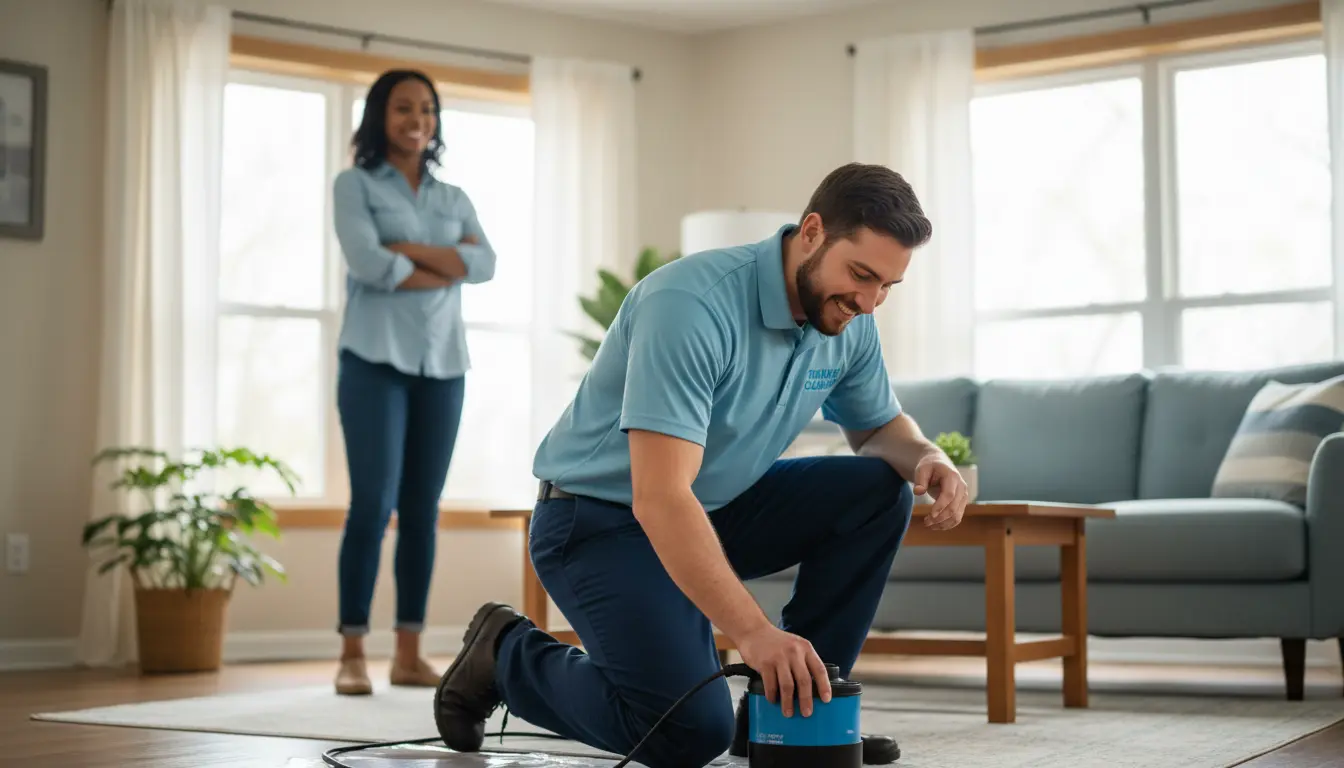
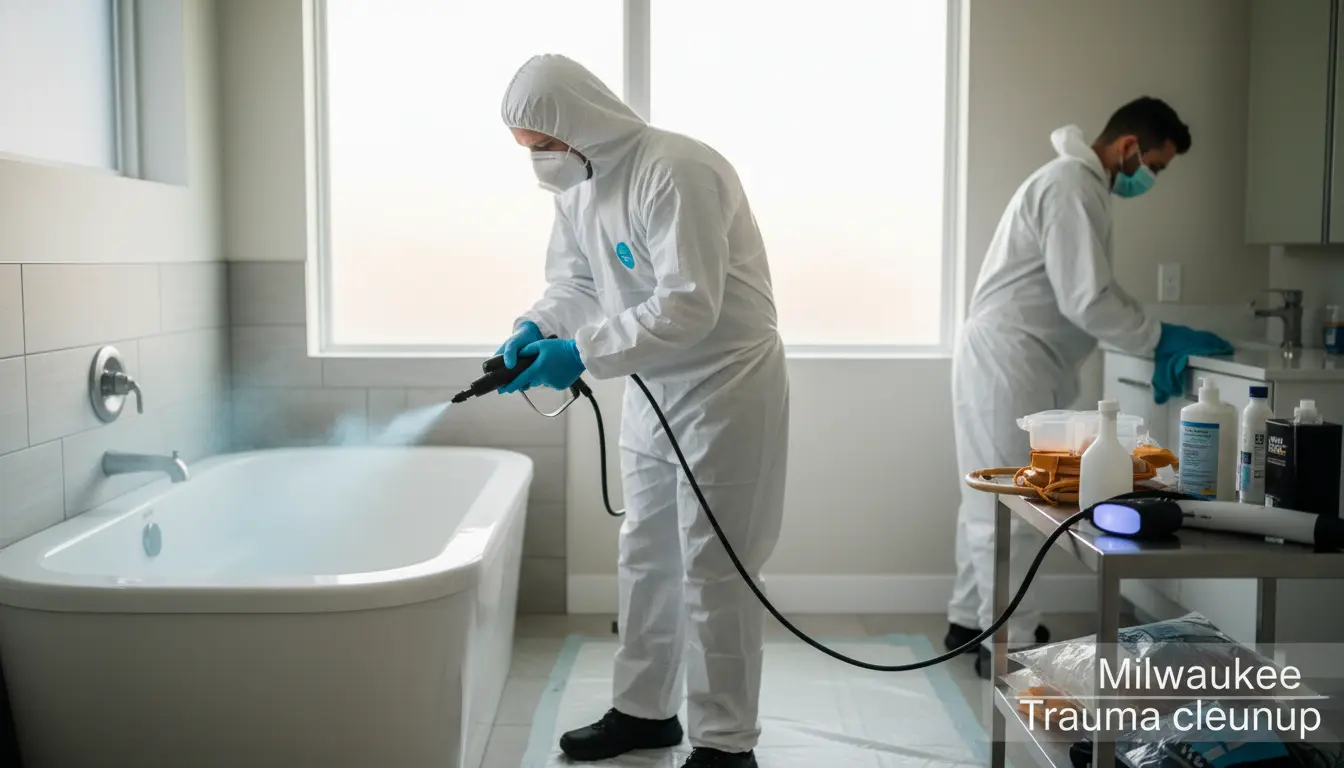
In the heart of Milwaukee, where unexpected tragedies can strike any neighborhood—from the bustling streets of Bay View to the quiet suburbs of Menomonee Falls—dealing with biohazards requires swift and expert action. Biohazard decontamination isn’t just about cleaning; it’s about restoring safety and peace of mind after trauma scenes, accidents, or unattended deaths. As a leading provider in crime scene cleanup, Milwaukee Trauma Cleanup understands the urgency. Whether you’re facing a situation in South Milwaukee or Mequon, these 10 proven tips will guide you through fast, effective decontamination. Backed by years of experience serving the greater Milwaukee area, this guide empowers property owners to act quickly while emphasizing the need for professional intervention.
Biohazards like blood, bodily fluids, and pathogens pose serious health risks, including exposure to diseases such as hepatitis or HIV. Delaying cleanup can lead to further contamination, especially in humid Wisconsin weather that promotes bacterial growth. That’s why speed is crucial. In this post, we’ll break down practical steps, drawing from our expertise in pathogen decontamination and EPA compliant disposal. Let’s dive in and ensure your space is safe again.
Understanding Biohazard Decontamination Basics
Before jumping into the tips, it’s essential to grasp what biohazard decontamination entails. This process involves identifying, containing, and neutralizing hazardous materials to prevent health risks and comply with local regulations in Milwaukee County.
Why Speed Matters in Milwaukee’s Climate
Milwaukee’s variable weather—cold winters and humid summers—can accelerate biohazard spread. Moisture from Lake Michigan influences indoor environments, making rapid response vital. Our team at Milwaukee Trauma Cleanup has seen how delays in areas like Franklin can turn a manageable scene into a widespread issue. Always prioritize safety: if you’re unsure, call professionals immediately.
The 10 Proven Tips for Fast Biohazard Decontamination
Here are our top 10 tips, designed for quick implementation while underscoring the importance of certified experts. These draw from real-world applications in property restoration after trauma across Milwaukee.
Tip 1: Secure the Area Immediately
The first step is isolation. Upon discovering a biohazard, cordon off the area with barriers like tape or doors to prevent accidental entry. In a Milwaukee apartment in Bay View, this could mean evacuating neighbors to avoid cross-contamination. Wear personal protective equipment (PPE) such as gloves, masks, and suits—available at local hardware stores. This tip alone can reduce exposure risks by up to 80%, according to OSHA guidelines.
Tip 2: Assess the Extent of Contamination
Quickly evaluate the scene without touching anything. Note visible fluids, odors, or affected surfaces. For instance, in a trauma incident in Menomonee Falls, blood spatter might reach walls and ceilings. Document with photos for insurance or authorities, but avoid detailed handling. If the contamination spans multiple rooms, it’s time to call Milwaukee Trauma Cleanup for a professional assessment.
Tip 3: Gather Essential Supplies
Stock up on EPA-approved disinfectants, absorbent materials like cat litter or commercial powders, and heavy-duty trash bags. In Milwaukee, you can find these at stores near South Milwaukee. Avoid household cleaners; they won’t neutralize pathogens effectively. Our trauma waste disposal services ensure all materials are handled compliantly, preventing fines.
Tip 4: Ventilate the Space
Open windows and doors to improve airflow, reducing airborne pathogens. In Mequon’s residential areas, where homes are tightly built, use fans to direct air outward. Be cautious of Milwaukee’s windy conditions—secure screens to avoid spreading contaminants outside. Proper ventilation can cut drying time in half, making subsequent cleaning faster.
Tip 5: Contain and Absorb Liquids First
Use absorbents to soak up fluids immediately, preventing them from seeping into porous materials like carpets. Sprinkle powder liberally and let it sit for 15-20 minutes. In a Franklin home after an accident, this step preserves structural integrity. Dispose of saturated materials in sealed bags, following local waste rules—our experts handle this seamlessly.
Tip 6: Disinfect Surfaces Thoroughly
Apply a 10% bleach solution or quaternary ammonium disinfectant to all surfaces, letting it dwell for 10 minutes. Scrub non-porous areas with brushes, but for fabrics, consider professional extraction. Referencing our work in property restoration after trauma, this ensures 99.9% pathogen elimination. Test for colorfastness first to avoid damage.
Tip 7: Handle Waste Properly
Never mix biohazard waste with regular trash. Double-bag items and label them clearly. Milwaukee’s Department of Public Works requires special handling for such materials. For larger scenes in Bay View, partner with certified services like ours for EPA compliant disposal, avoiding environmental hazards.
Tip 8: Deodorize Effectively
Odors linger, signaling incomplete cleanup. Use enzyme-based cleaners to break down organic matter at the molecular level. In humid South Milwaukee basements, ozone generators can help, but only after initial disinfection. This tip restores habitability quickly, as we’ve done in countless local restorations.
Tip 9: Inspect for Hidden Hazards
Check HVAC systems, cracks, and upholstery for concealed contamination. In older Milwaukee homes in Menomonee Falls, mold can develop rapidly post-incident. Use UV lights or ATP meters if available for verification. If hidden issues are found, our pathogen decontamination team uses advanced tools to uncover and treat them.
Tip 10: Verify and Document Completion
After cleaning, test surfaces with swab kits for residual pathogens. Take before-and-after photos and keep records for health departments or insurers. In Mequon properties, this documentation supports claims efficiently. For peace of mind, schedule a professional re-inspection with Milwaukee Trauma Cleanup.
Local Considerations for Milwaukee Residents
Milwaukee’s unique environment demands tailored approaches. Lakefront humidity in areas like Bay View accelerates decomposition, while winter freezes in Franklin can preserve hazards longer. Always comply with Wisconsin DHS regulations on biohazards. Serving from South Milwaukee to Mequon, we adapt our methods to local conditions, ensuring rapid response times under an hour for emergencies.
FAQ: Common Questions About Biohazard Decontamination
1. How long does biohazard decontamination take?
It varies by scene size, but with these tips, initial containment can be done in 1-2 hours. Full professional cleanup, like our services in Menomonee Falls, typically takes 4-8 hours.
2. Can I handle biohazard cleanup myself in Milwaukee?
Minor spills yes, but for trauma scenes, hire certified pros to avoid health risks and legal issues. Contact us at (414) 221-7950 for guidance.
3. What are the costs involved?
DIY saves upfront but risks fines; professional services start at $500, depending on extent. We offer free estimates for Bay View and surrounding areas.
4. Is professional certification required in Wisconsin?
Yes, for compliance with OSHA and EPA. Milwaukee Trauma Cleanup holds all necessary certifications for safe, legal decontamination.
5. How do I prevent future biohazards?
Install safety features and emergency kits. For property owners in Franklin, regular maintenance reduces risks—explore our preventive advice.
Conclusion: Take Action with Milwaukee Trauma Cleanup
Biohazard decontamination doesn’t have to overwhelm you. By following these 10 proven tips, you can initiate a fast response and minimize risks in your Milwaukee property. However, for the safest, most thorough results—especially in complex scenes—trust the experts at Milwaukee Trauma Cleanup. We’ve proudly served communities from South Milwaukee to Mequon, restoring spaces with compassion and precision.
Don’t delay; biohazards wait for no one. Call us today at (414) 221-7950 for immediate assistance or a consultation. Your safety is our priority—let’s make your space safe again.