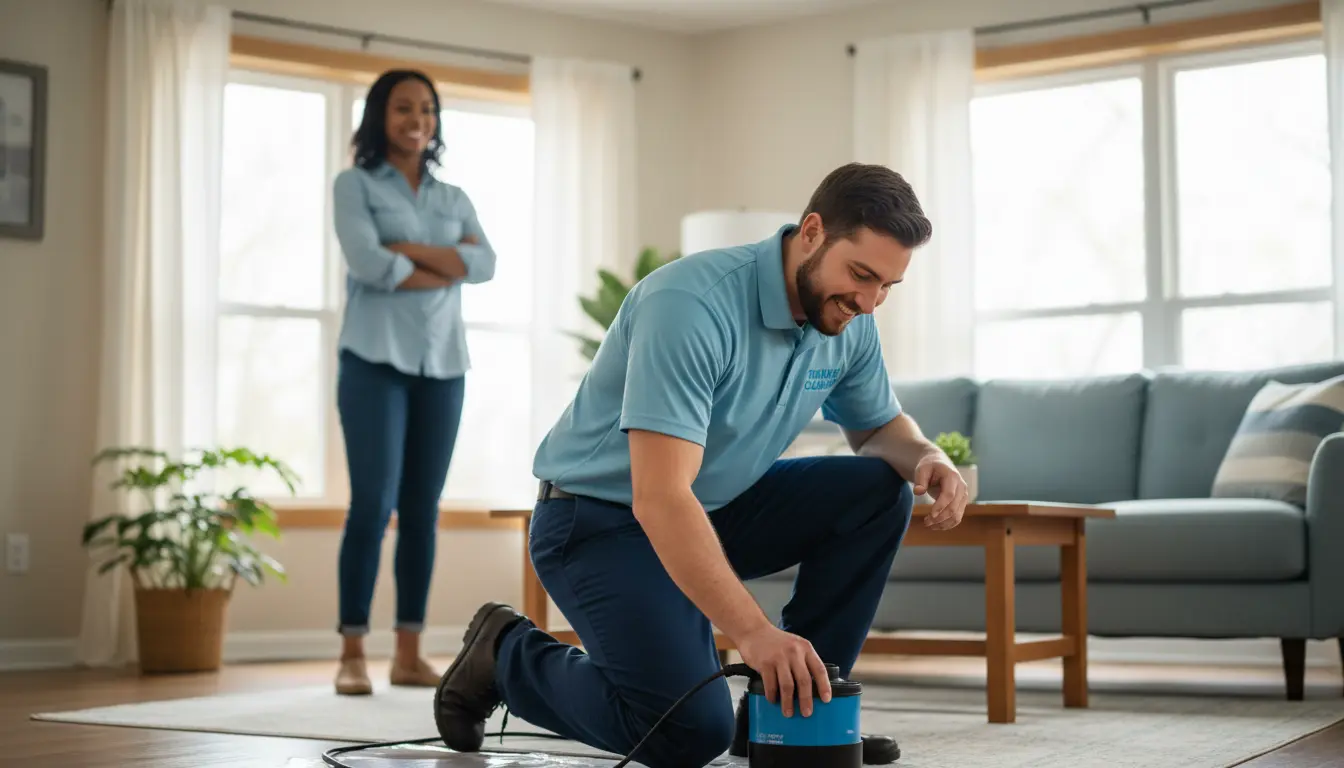
Living in Milwaukee, where community ties run deep, a traumatic event can shatter the sense of safety in your home. Whether it’s an accident, a crime scene, or an unattended death, the aftermath often leaves invisible dangers that demand professional intervention. If you’re wondering whether it’s time to call in experts like Milwaukee Trauma Cleanup, this guide breaks down the top 7 signs that your home requires trauma scene cleaning. We’ll explore these indicators, offer practical tips for initial response, and explain why prompt action is crucial for health and peace of mind.
Trauma cleanup isn’t just about aesthetics—it’s about removing biohazards, preventing health risks, and restoring your space compassionately. As Milwaukee’s trusted provider, we serve areas like Brown Deer and Mequon, ensuring discreet, efficient services tailored to local needs.
Understanding Trauma Scene Cleaning
What Exactly Is Trauma Scene Cleaning?
Trauma scene cleaning involves the professional removal and disinfection of hazardous materials from sites of violent crimes, suicides, accidents, or natural deaths. Unlike standard cleaning, it requires specialized equipment to handle blood, bodily fluids, and pathogens that can lead to serious illnesses like hepatitis or HIV.
In Milwaukee, where urban and suburban homes vary widely, these services are vital. For instance, if an industrial accident cleanup occurs in a Waukesha factory or home workshop, the biohazards can spread quickly without proper handling.
Why Professional Help Matters in Milwaukee
DIY attempts can expose you to legal liabilities and health dangers. Milwaukee Trauma Cleanup follows OSHA and EPA guidelines, using EPA-registered disinfectants to ensure your home is safe. We’ve helped families in Elm Grove recover from devastating events, providing not just cleanup but also grief support coordination to ease emotional burdens.
Sign 1: Persistent Foul Odors That Won’t Go Away
One of the most immediate red flags is a lingering, unnatural smell that permeates your home. This isn’t the typical mustiness from a spill—it’s the decomposition odor from bodily fluids, which can seep into walls, carpets, and HVAC systems.
Practical Tip: Initial Odor Assessment
Start by ventilating the area and using fans, but if the smell persists after 24-48 hours, it’s a sign of deeper contamination. In humid Milwaukee summers, odors can intensify, making professional odor neutralization essential. Avoid masking with air fresheners, as they trap the stench.
Milwaukee Trauma Cleanup uses advanced ozone treatments and enzyme cleaners to eliminate odors at the source, restoring fresh air to your Menomonee Falls residence.
Sign 2: Visible Stains or Discoloration on Surfaces
Blood and other fluids can stain porous surfaces like wood floors, upholstery, and drywall. Even after wiping, reddish-brown residues or unexplained discoloration signal the need for trauma cleaning.
Actionable Advice: Safe Surface Inspection
Wear gloves and use a blacklight to detect invisible stains—biohazards often fluoresce. Document everything for insurance claims, but don’t scrub aggressively, as it can spread contaminants. For accident site cleaning in Milwaukee homes, our team removes affected materials entirely to prevent recurrence.
Local tip: In older Milwaukee bungalows, stains can hide in grout or behind furniture, so a thorough professional inspection is key.
Sign 3: Presence of Insects or Rodents Attracted to Debris
Trauma sites often attract pests drawn to organic matter. If you notice an unusual influx of flies, maggots, or rodents in a specific area, it could indicate decomposing remains.
How to Respond Initially
Seal off the area and contact pest control immediately, but recognize this as a trauma indicator. Milwaukee’s variable weather can accelerate decomposition, worsening infestations. We integrate trauma waste disposal with pest management to address the root cause, serving communities like Waukesha.
Pro tip: Use diatomaceous earth for temporary pest control, but evacuate if possible until pros arrive.
Sign 4: Emotional Distress Tied to the Space
Beyond physical signs, if entering a room triggers anxiety, flashbacks, or avoidance, the space may harbor traumatic residues. This psychological cue often pairs with physical ones.
Supporting Mental Health During Cleanup
Milwaukee Trauma Cleanup offers compassionate service, coordinating with local counselors. For hoarding situations that escalate to trauma, explore our hoarding cleanup assistance to gently restore order.
Actionable step: Journal your feelings and seek therapy; professional cleaning can aid healing by reclaiming your home.
Sign 5: Health Symptoms Among Household Members
Unexplained illnesses like respiratory issues, skin irritations, or flu-like symptoms post-event point to airborne pathogens from uncleaned biohazards.
Health Precautions to Take
Monitor symptoms and consult a doctor, mentioning potential exposure. In Milwaukee’s cold winters, poor ventilation exacerbates risks. Our certified technicians use HEPA vacuums and PPE to decontaminate safely, preventing further harm.
Tip: Boost immunity with ventilation and hand hygiene, but prioritize expert intervention.
Sign 6: Structural Damage from Fluids
Bodily fluids can weaken structures—warping floors, corroding metals, or promoting mold in Milwaukee’s damp climate.
Assessing and Mitigating Damage
Check for soft spots or bubbling paint. Avoid walking on affected areas to prevent spread. We specialize in restoring integrity, often coordinating with local contractors for comprehensive repairs.
Local reference: Near Lake Michigan, moisture amplifies damage, so act fast in areas like Brown Deer.
Sign 7: Legal or Insurance Notifications
If authorities or insurers flag the site as a potential hazard, or if you’re dealing with a rental property violation, it’s time for professional cleanup.
Navigating Legal Aspects
Comply with Wisconsin health codes by hiring certified services. Milwaukee Trauma Cleanup handles documentation for claims, ensuring you’re covered. For unattended deaths, our discreet process minimizes stigma.
Advice: Keep records and contact us at (414) 221-7950 for guidance.
FAQ: Common Questions About Trauma Scene Cleaning in Milwaukee
1. How quickly should I call for trauma cleanup after an incident?
Ideally within 24 hours to prevent health risks and decomposition. Delays in Milwaukee’s weather can complicate matters—contact Milwaukee Trauma Cleanup immediately for rapid response.
2. Is trauma cleaning covered by insurance?
Often yes, under homeowners or liability policies. We assist with claims and provide detailed reports to streamline the process.
3. What makes Milwaukee Trauma Cleanup different from general cleaners?
We’re biohazard specialists with local expertise, offering 24/7 service, compassion, and compliance with state regulations. No job is too sensitive.
4. Can I clean a small trauma scene myself?
No—biohazards require professional handling to avoid legal and health issues. Leave it to experts for safety.
5. Do you serve areas outside central Milwaukee?
Yes, including suburbs like Mequon, Elm Grove, and Waukesha. Check our areas we serve for coverage.
Conclusion: Take the First Step Toward Restoration
Recognizing these top 7 signs— from odors and stains to health symptoms and legal flags—empowers you to act swiftly. In Milwaukee, where homes are sanctuaries, don’t let trauma linger. Milwaukee Trauma Cleanup is here to handle the heavy lifting with expertise and empathy, restoring your space and serenity.
Ready to reclaim your home? Call us today at (414) 221-7950 for a confidential consultation. Whether in Brown Deer or Menomonee Falls, we’re your local partner in healing.