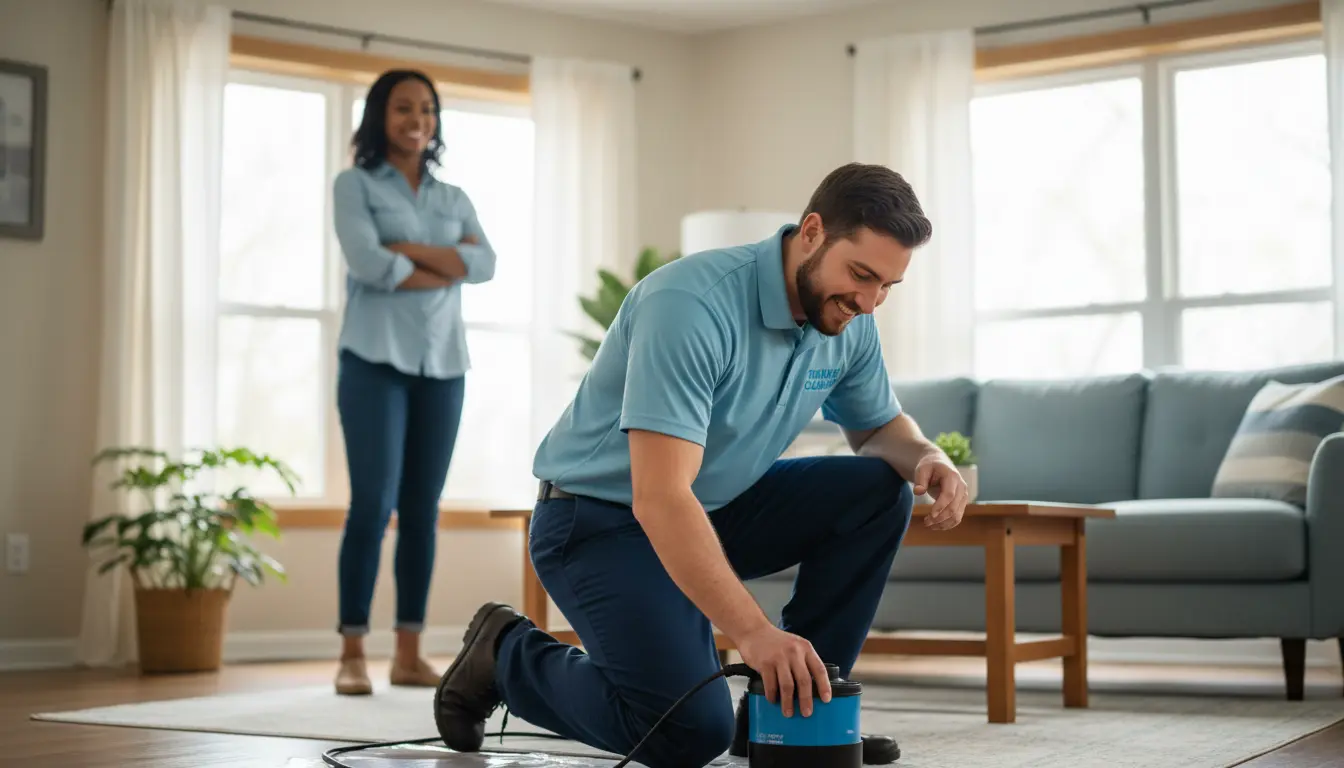
That moment—the shift from arrival to action—is where the real question begins: How long does a typical trauma cleanup project take? The answer is rarely a simple number. It depends on the type of event, the size of the affected area, the degree of biological contamination, and the structural materials involved. In Milwaukee, where the Great Lakes climate adds humidity-driven decomposition challenges and many homes feature older, porous building materials, the timeline can shift dramatically from what standard industry estimates suggest.
Understanding the factors that influence cleanup duration is essential for property owners, real estate agents, and facility managers who need to plan restoration, coordinate with insurance, and make informed decisions about professional remediation. This article breaks down the process step by step, drawing on industry standards and local conditions that every Milwaukee resident should know.
What Determines the Duration of a Trauma Cleanup Project?
No two trauma scenes are identical, but the primary variables that influence project length fall into four categories: the type of incident, the size and complexity of the affected area, the level of contamination, and the environmental conditions at the site. For example, a suicide cleanup in a recently occupied room with a single blood-impacted surface may take four to six hours, while an unattended death discovered weeks later in a multi-story home can require several days of intensive remediation, including structural deconstruction and odor neutralization.
In Milwaukee, the region’s high summer humidity and cold winters create unique challenges. Biological material decomposes faster in warm, moist air, accelerating the spread of fluids deeper into porous materials like drywall, hardwood, and subflooring. Conversely, winter temperatures can slow decomposition but make access to the site difficult due to snow and ice, which can delay the start of the project. Understanding these factors helps property owners set realistic expectations when they ask, How long does a typical trauma cleanup project take?
Step-by-Step Breakdown of the Professional Remediation Timeline
Professional trauma cleanup follows a meticulous, scientifically grounded workflow that prioritizes safety, thoroughness, and compliance with OSHA and IICRC standards. The total time required depends on how many of these steps are necessary and how extensive each one becomes.
Initial Risk Assessment and Site Setup (1–2 hours)
Upon arrival, the crew conducts a visual and environmental assessment. They identify all contaminated areas, check for airborne pathogens using a negative air pressure monitor, and establish a containment zone. This phase includes setting up HEPA-filtered negative air machines to prevent cross-contamination and donning full personal protective equipment (PPE). In older Milwaukee homes with deep-set floorboards or lathe-and-plaster walls, this assessment often reveals hidden biological seepage that requires additional time to document.
Physical Removal of Biohazardous Materials (2–8 hours)
This is the most labor-intensive phase. Technicians remove all visible blood, tissue, bodily fluids, and any porous materials that cannot be effectively decontaminated. Carpets, padding, sections of drywall, and insulation may need to be cut out and disposed of in regulated biohazard bags. The extent of removal directly affects the answer to How long does a typical trauma cleanup project take? For a single room with minimal contamination, this phase might take two hours. For a large area where fluids have soaked into subflooring, it can take a full day or more.
Chemical Sanitization and ATP Testing (1–3 hours)
After visible contamination is removed, surfaces are treated with EPA-registered disinfectants that are proven to inactivate bloodborne pathogens such as HIV, hepatitis B, and MRSA. Technicians then use adenosine triphosphate (ATP) fluorescence testing to verify that all biological residues have been eliminated. This objective measurement—measured in relative light units (RLUs)—ensures the site meets safe occupancy standards. In Milwaukee, where seasonal humidity can cause lingering odors, enzyme treatments may also be applied to neutralize organic compounds at the molecular level.
Structural Decontamination and Odor Control (1–4 hours)
For scenes with significant decomposition, odor molecules can permeate walls, ceilings, and HVAC systems. Technicians use ozone generators or hydroxyl machines to oxidize those compounds. This step is often repeated until readings fall below acceptable thresholds. The time required increases with the square footage and the duration of the unattended period.
Final Inspection and Clearance (1 hour)
Before the crew leaves, a final walk-through is conducted with the property owner or their representative. ATP readings are reviewed, the containment area is dismantled, and the site is declared safe for re-entry. In some cases, a third-party industrial hygienist may be called in for final verification, which can add several hours to the overall timeline.
Comparison of Professional Remediation vs. Standard Cleaning
To illustrate why professional biohazard cleanup takes longer and delivers fundamentally different results, the table below contrasts key metrics between a certified trauma remediation service and a standard residential cleaning crew.
| Feature/Metric | Professional Biohazard Remediation | Standard Residential Cleaning |
|---|---|---|
| Regulatory Compliance | Follows OSHA 29 CFR 1910.1030, IICRC S540, EPA waste disposal rules | No mandatory biohazard standards; often uses household bleach |
| Pathogen Elimination | EPA-registered disinfectants with verified kill times; ATP testing confirms zero RLU | General cleaning agents; no verification of pathogen removal |
| Structural Assessment | Identifies hidden biological seepage; removes porous materials that cannot be decontaminated | Cleans only visible surfaces; leaves contaminated materials in place |
| Odor Neutralization | Uses ozone, hydroxyl, and enzyme treatments at molecular level | Masking agents or air fresheners; does not eliminate source |
| Waste Disposal | Licensed medical waste transporter; incineration approved by Wisconsin DNR | Landfill disposal; creates environmental and legal risks |
Source: IICRC S540 Trauma and Crime Scene Cleanup Standard
Expert Insights: What Professionals Look For
Experienced biohazard remediation specialists know that the clock is only part of the equation. Three advanced diagnostic techniques help them determine the true scope of work and the realistic timeline for a project.
First, thermal imaging can detect temperature differences behind walls that indicate fluid saturation. In Milwaukee’s historic homes, where plaster and horsehair insulation are common, this non-invasive method saves hours of exploratory demolition. Second, a moisture meter with deep-penetrating probes reveals whether subflooring has absorbed biological fluids—a condition that forces replacement rather than cleaning. Third, airborne microbial sampling during the negative air setup can confirm if mold or bacteria have already spread into the HVAC system, which would require duct cleaning and extended containment.
Property owners often make two critical mistakes that stretch the timeline: they attempt to clean with household bleach, which does not deactivate certain bloodborne pathogens and can actually fix proteins to surfaces, and they wait for odors to disappear naturally, allowing decomposition to deepen. A third common error is allowing untrained family members or employees into the site before containment, which can spread contaminants and trigger OSHA violations. These mistakes can turn a one-day job into a three-day project and create long-term health risks for occupants.
Pricing Structure and Factors That Influence Cost
While the primary question is about duration, cost is closely related—and both depend on the same variables. Professional trauma cleanup services in Milwaukee typically charge based on a combination of these elements:
- Site mobilization fee: A flat fee (usually $150–$300) for the crew to arrive with all equipment, including negative air machines, HEPA vacuums, and PPE kits. This covers the initial assessment and setup.
- Hourly remediation rate: Between $150 and $300 per hour per technician, depending on the complexity of the scene. A standard team of two to three technicians can complete a simple room cleanup in four to six hours, making the total labor cost $1,200–$5,400.
- Waste disposal surcharge: Biohazardous waste must be transported by a licensed medical waste hauler and incinerated. Costs range from $200 to $800 per drum, depending on the volume of contaminated materials removed.
Three major factors push costs higher: the need to replace structural materials (e.g., cut out and replace drywall, subflooring, or insulation), the total volume of biohazardous waste (measured in pounds or drums), and the requirement for specialized HVAC decontamination if the system has been contaminated. In Milwaukee, winter conditions may also require additional heating equipment to keep enzyme treatments effective, adding to both time and expense.
Safety and Standards: Why Compliance Matters
Every trauma cleanup project in Milwaukee must adhere to a strict set of regulations to protect workers, property owners, and the broader community. The Occupational Safety and Health Administration (OSHA) Bloodborne Pathogens Standard (29 CFR 1910.1030) mandates that all personnel handling human blood or other potentially infectious materials receive annual training, use appropriate PPE, and follow exposure control plans. The IICRC S540 standard for trauma and crime scene cleanup provides a national framework for assessment, cleaning, and verification.
Practical compliance means that a professional crew will never use household bleach on a blood spill, because it can damage surfaces and fail to deactivate hepatitis viruses. Instead, they use EPA-registered disinfectants that are proven to kill specific pathogens. Waste removal follows Wisconsin Department of Natural Resources guidelines for medical waste, ensuring that items like sharps, contaminated carpets, and body fluids are incinerated rather than sent to a landfill. For property owners, hiring a certified remediation service is not just about thoroughness—it is about avoiding legal liability and protecting future occupants from communicable diseases.
Frequently Asked Questions About Trauma Cleanup Timelines
How long does it take to clean up a suicide scene in a small apartment?
In a typical Milwaukee apartment with one affected room and no significant delay in discovery, the entire process—from assessment to final clearance—can be completed in four to six hours. This includes removal of contaminated materials, chemical disinfection, ATP testing, and odor control. If the scene has been closed for several days or if fluids have soaked into carpet padding and subflooring, the timeline can extend to eight to twelve hours.
Does the cleanup time change for an unattended death that was discovered weeks later?
Yes, significantly. Unattended deaths that go undiscovered for weeks or months involve advanced decomposition, which causes fluids to saturate deep into porous materials. The odor compounds can permeate entire rooms and HVAC systems. These projects typically require two to four days of intensive work, including structural deconstruction, enzymatic treatments, and possibly ozone shock treatments. In Milwaukee’s humid summer months, decomposition accelerates, so early discovery can reduce the timeline by a full day.
Can I speed up the process by having the site cleaned by a regular janitorial service?
No. Standard cleaning crews lack the training, equipment, and regulatory compliance needed to safely handle biohazardous materials. Attempting to use a janitorial service can lead to incomplete pathogen removal, cross-contamination to other areas of the property, and legal exposure for improper waste disposal. The IICRC S540 standard explicitly states that only certified professionals should perform trauma scene cleanup. In Milwaukee, property owners who attempt DIY cleanup or hire unqualified cleaners often face longer overall timelines because the site must be re-cleaned by a certified team, and the initial contamination may have spread further.
What happens if the cleanup crew discovers hidden contamination during the process?
This is a common scenario in older Milwaukee homes with wooden subfloors or plaster walls. When a technician uses a moisture meter to detect saturation behind a wall, the team must stop and reassess the scope of work. This adds time—typically one to three hours—to cut out the affected material, disinfect the cavity, and replace the structural components. Professional crews plan for this possibility by including contingency time in their estimates. It is always better to discover and address hidden contamination than to leave a biological hazard sealed inside the structure.
How long does the odor removal process take after the initial cleanup is finished?
Odor removal is often the most time-consuming phase. After the physical cleanup is complete, technicians use ozone generators or hydroxyl machines to break down odor molecules. One treatment cycle can last four to eight hours, and multiple cycles may be needed. In the case of a heavily decomposed scene, this step can add a full day to the project. The goal is to achieve a neutral reading on an odor meter, not just to mask the smell. Professional crews in Milwaukee have access to equipment that works effectively even in high-humidity conditions, which is crucial because moisture can cause odor molecules to re-emit from surfaces.
Professional Biohazard Remediation in Milwaukee
When you are facing the aftermath of a traumatic event, time is both a practical concern and an emotional one. Every hour the scene remains uncleaned, the risk of secondary contamination, odor migration, and structural damage increases. A professional trauma cleanup crew arrives with the training, equipment, and experience to handle the complexity of the job while respecting the dignity of those affected.
Milwaukee Trauma Cleanup provides comprehensive biohazard remediation services that follow IICRC S540 standards and comply with OSHA and Wisconsin regulations. Our team understands the local climate, the unique architecture of Milwaukee homes, and the importance of discrete, compassionate service. Whether you need a single-room cleanup or a full property restoration, we deliver a thorough, verified result that allows you to move forward. For a timeline estimate tailored to your specific situation, contact us today.