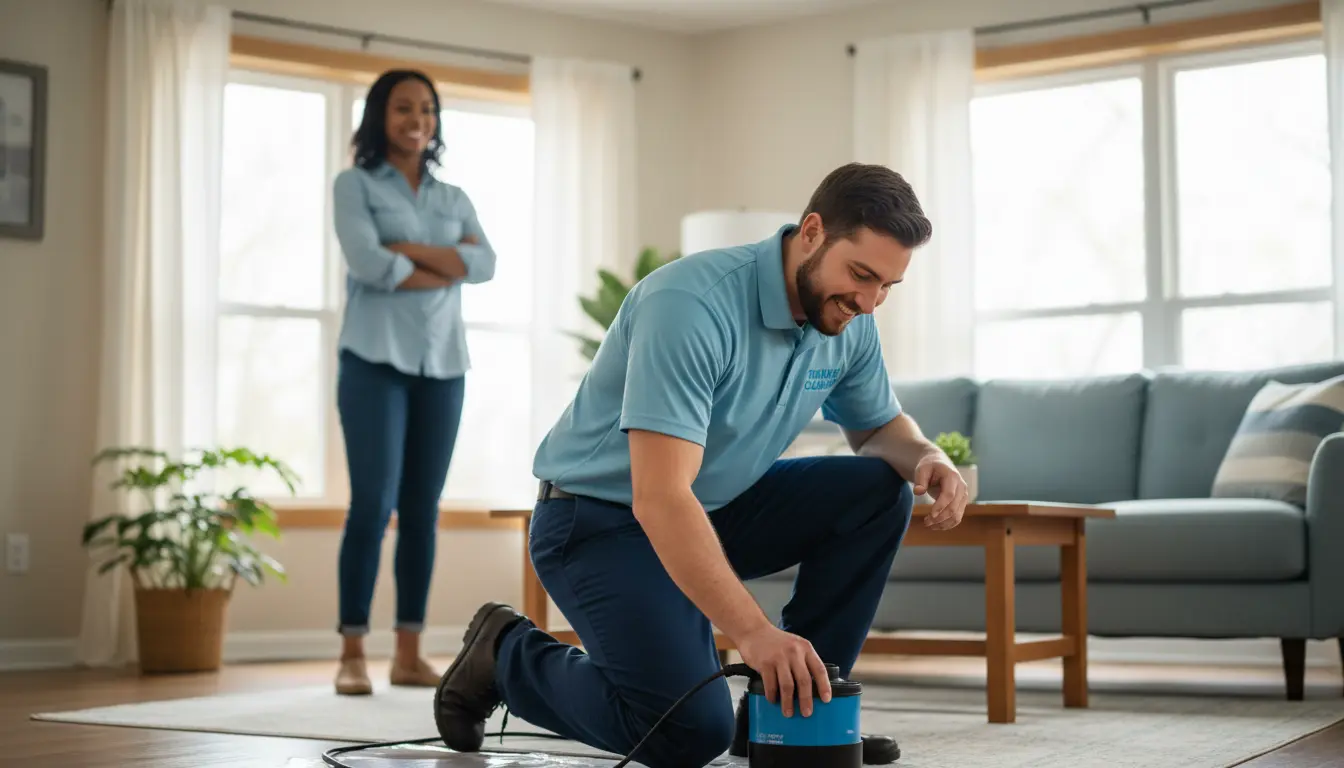
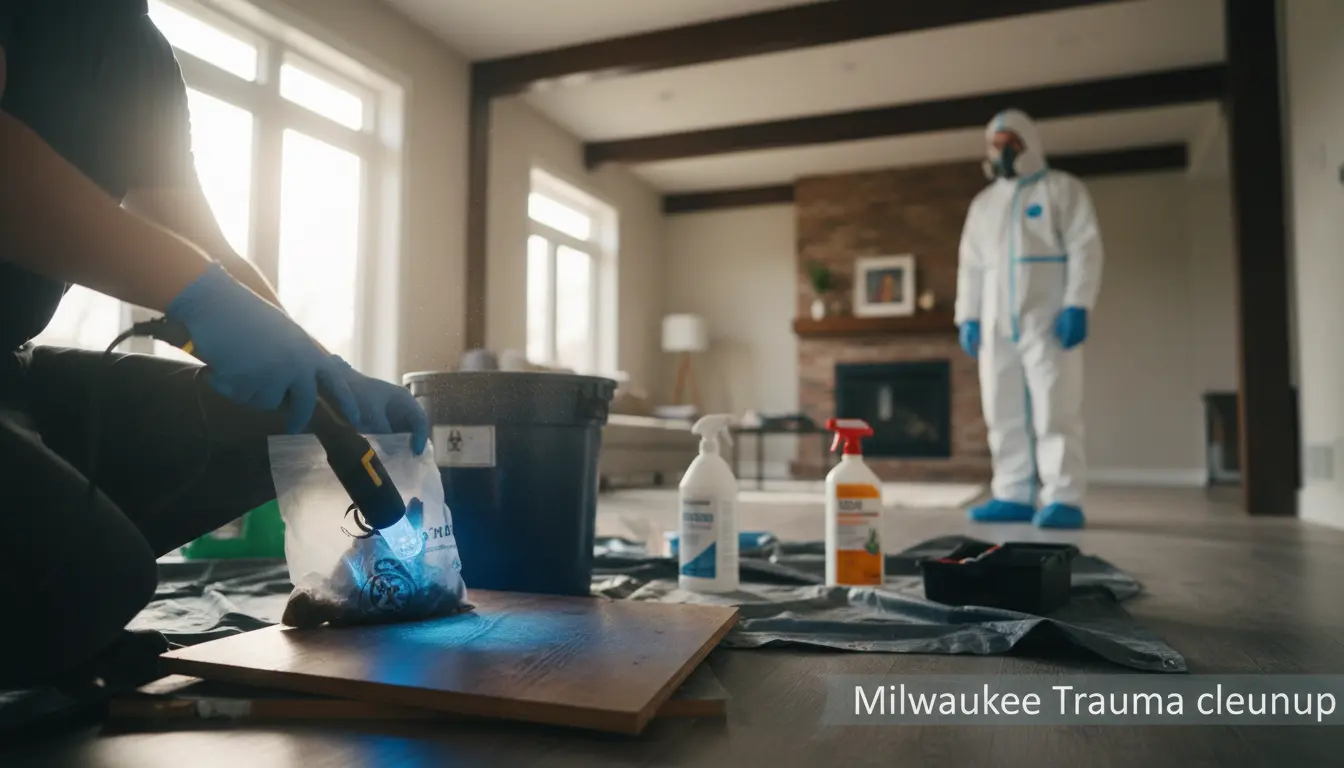
Imagine returning to your cozy home in Shorewood after a heartbreaking incident, only to face the daunting task of cleaning up. The urge to handle it yourself is understandable—saving time and money seems appealing. But in Milwaukee’s unique environment, where humid summers and harsh winters exacerbate contamination, DIY trauma cleanup can turn a bad situation into a hazardous one. As experts at Milwaukee Trauma Cleanup, we’ve seen the aftermath of well-intentioned but misguided efforts. In this post, we’ll explore the unseen risks and why professional intervention is crucial for your safety and peace of mind.
Understanding Trauma Cleanup and Its Scope
Trauma cleanup isn’t your standard housekeeping. It involves handling scenes from accidents, unattended deaths, or crimes, which leave behind biohazards, bodily fluids, and emotional residue. In Milwaukee homes, these incidents can occur anywhere—from bustling Walker’s Point apartments to quiet Fox Point residences.
Types of Trauma Scenes in Milwaukee
Milwaukee’s diverse neighborhoods see various trauma events. Unattended deaths are common in older homes in areas like Menomonee Falls, where decomposition can quickly spread odors and contaminants. Crime scenes in urban spots like Elm Grove require meticulous evidence preservation alongside sanitization. Hoarding situations, prevalent in some Milwaukee suburbs, compound the issue with accumulated waste that attracts pests and mold.
Each type demands specialized knowledge. DIY attempts often overlook the full scope, leading to incomplete cleanup and lingering dangers.
Health Risks Lurking in DIY Efforts
The most immediate threat from DIY trauma cleanup is exposure to biohazards. Bodily fluids carry pathogens like hepatitis, HIV, and bacteria that thrive in Milwaukee’s variable climate.
Biohazard Exposure and Infection
Without proper protective gear, you’re at risk of direct contact with infectious materials. Gloves and masks from a hardware store aren’t enough; professionals use hazmat suits and industrial-grade disinfectants. In humid Milwaukee summers, bacteria multiply rapidly on porous surfaces like carpets, potentially causing respiratory issues or worse for your family.
A practical tip: If you suspect contamination, isolate the area immediately and ventilate— but don’t touch anything. For thorough medical waste removal, contact experts who handle disposal per OSHA guidelines.
Airborne Contaminants and Long-Term Effects
Drying blood or fluids release airborne particles that HVAC systems can distribute throughout your home. Milwaukee’s older housing stock, with outdated ducts, amplifies this. DIY cleaning might stir up spores, leading to mold growth exacerbated by Lake Michigan’s moisture.
Actionable advice: Test your air quality post-incident. If odors persist, consider HVAC system cleaning to prevent chronic health problems like asthma flare-ups, common in Milwaukee’s allergy season.
Structural and Property Damage from Improper Handling
Beyond health, DIY methods can cause irreversible damage to your Milwaukee property.
Corrosion and Material Degradation
Harsh cleaners bought off-the-shelf can etch walls, floors, and fixtures. In historic homes around Shorewood, acidic residues might discolor woodwork or weaken plaster. Bodily fluids seep into subfloors, fostering rot that Milwaukee’s freeze-thaw cycles worsen.
Tip: Avoid bleach on unknown surfaces; it can react dangerously with organic matter, releasing toxic fumes. Instead, opt for enzyme-based cleaners only after professional assessment, followed by wall surface sanitization for safe restoration.
Odor Penetration and Persistent Stench
Milwaukee’s damp basements trap odors like a sponge. DIY scrubbing might mask smells temporarily, but without deep cleaning, they embed in fabrics and vents. Neighbors in close-knit areas like Elm Grove could complain, affecting property value.
Pro advice: Use ozone generators sparingly—they’re ineffective against bio-odors and can harm health. True elimination requires odor elimination services, targeting sources at a molecular level.
Legal and Emotional Pitfalls of Going It Alone
In Wisconsin, trauma cleanup has legal strings attached. Mishandling biohazards violates health codes, potentially leading to fines or liability if someone gets sick.
Compliance with Local Regulations
Milwaukee County mandates proper waste disposal; DIYers often bag materials incorrectly, risking environmental contamination near Lake Michigan. For scenes in Menomonee Falls, local ordinances require certified handling to avoid permit issues.
Actionable step: Document everything if attempting DIY, but know when to stop. Professionals ensure compliance, sparing you bureaucratic headaches.
The Emotional Toll
Cleaning a trauma site is psychologically draining. In tight-knit Milwaukee communities like Fox Point, reliving the event solo can delay healing. Our team at Milwaukee Trauma Cleanup provides compassionate support, allowing you to focus on recovery.
When to Call in the Professionals: Signs You Need Help
Not every spill requires pros, but trauma scenes do. Watch for persistent odors, visible stains, or health symptoms—these signal deeper issues.
In Walker’s Point’s vibrant but dense housing, space constraints make DIY impractical. Professionals arrive equipped, minimizing disruption. For comprehensive recovery, explore our property restoration after trauma to return your home to pre-incident condition.
Practical tips for preparation:
- Secure the area with caution tape.
- Gather basic PPE, but don’t proceed.
- Call (414) 221-7950 for a free assessment—we serve all Milwaukee areas, from Shorewood to Elm Grove.
FAQ: Common Questions About DIY Trauma Cleanup
Is DIY Cleanup Ever Safe for Small Incidents?
For minor blood spills without decomposition, yes—but only with proper kits and knowledge. In Milwaukee’s climate, even small amounts can spread. Always consult pros for anything involving death or crime.
How Much Does Professional Trauma Cleanup Cost in Milwaukee?
Costs vary by scene size and location, starting around $500 for basic services. Factors like Menomonee Falls accessibility influence pricing, but it’s an investment in safety. Contact us for a quote.
What If I Already Started DIY Cleanup?
Stop immediately to avoid compounding risks. Our team can assess and remediate, ensuring no hidden dangers remain in your Walker’s Point home or elsewhere.
How Long Does Professional Cleanup Take?
Typically 4-8 hours for standard scenes, longer for hoarding in areas like Fox Point. We prioritize efficiency without cutting corners.
Can Insurance Cover Trauma Cleanup in Milwaukee?
Yes, many policies include it under biohazard or restoration coverage. We’ll guide you through claims for peace of mind.
Conclusion: Prioritize Safety—Choose Professional Cleanup
The hidden dangers of DIY trauma cleanup in Milwaukee homes— from infectious risks to property ruin—far outweigh any short-term savings. In neighborhoods like Shorewood and Menomonee Falls, where community and home mean everything, don’t gamble with your well-being.
At Milwaukee Trauma Cleanup, we’re dedicated to compassionate, thorough service across Milwaukee and beyond. Restore your space safely and swiftly. Call us today at (414) 221-7950 or visit our site to schedule an assessment. Your safer home starts here.