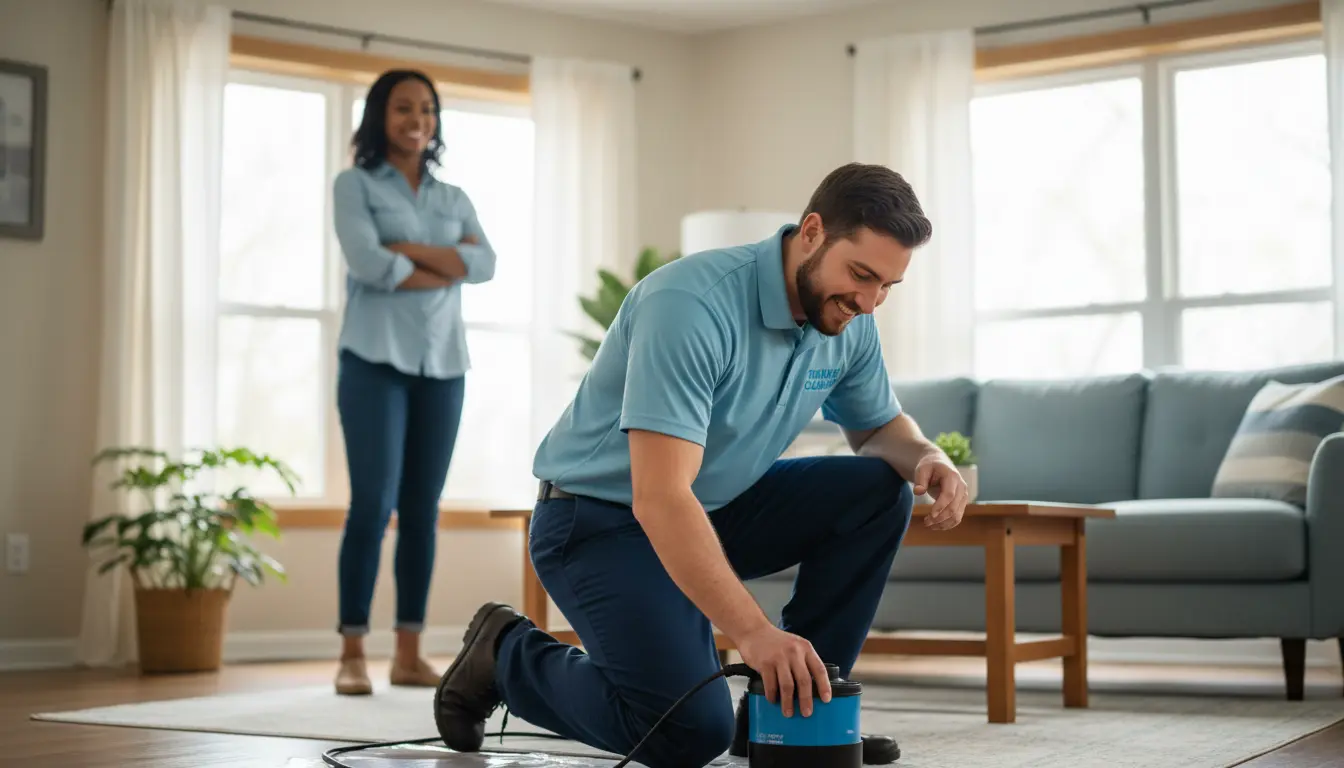
Discovering or dealing with a crime scene is an overwhelming experience that no one prepares for. In the heart of Milwaukee, where communities like Brookfield and Waukesha face such tragedies, the aftermath can leave lasting emotional and physical scars. At Milwaukee Trauma Cleanup, we understand the urgency and sensitivity required. This guide provides practical, step-by-step advice to help you navigate the process safely and efficiently, ensuring your home or business returns to a habitable state as quickly as possible.
Whether it’s a residential incident in Glendale or a commercial space in Elm Grove, knowing what to do next is crucial. We’ll cover immediate actions, health risks, professional intervention, and local resources tailored to Milwaukee residents.
Immediate Steps After Discovering a Crime Scene
The first moments after encountering a crime scene are critical. Acting swiftly can preserve evidence, protect your health, and prevent further contamination. Here’s what to prioritize:
Secure the Area and Avoid Contamination
Your safety comes first—do not enter the scene if it’s unsafe. If you’re in a Milwaukee neighborhood like Menomonee Falls, where quick response times matter, cordon off the area immediately. Use tape, barriers, or simply close doors to restrict access. Avoid touching anything to prevent tampering with potential evidence or spreading biohazards like bloodborne pathogens.
Practical tip: If children or pets are present, relocate them to a safe, unaffected area. Document the scene with photos from a distance if it’s safe, but only after authorities arrive—this can aid insurance claims later.
Contact Law Enforcement Without Delay
In Milwaukee, dial 911 immediately if the scene is active or if you suspect an ongoing threat. For non-emergency situations post-incident, reach out to the Milwaukee Police Department at their non-emergency line. Provide clear details: location, what you’ve observed, and any immediate dangers.
Milwaukee’s law enforcement is well-equipped to handle urban crime scenes, from downtown incidents to suburban ones in surrounding areas. Cooperate fully with investigators, as their work will determine when the site is released for cleanup.
Health and Safety Considerations in the Aftermath
Crime scenes often involve biohazards that pose serious risks. Blood, bodily fluids, and decomposition can lead to infections, allergic reactions, or long-term health issues if not handled properly.
Understanding Biohazard Risks
Common hazards include hepatitis, HIV, and bacterial growth from unattended fluids. In humid Milwaukee summers, these risks amplify quickly. Wear protective gear like gloves, masks, and coveralls if you must be nearby, but never attempt personal cleanup—it’s illegal in Wisconsin without proper certification and can void insurance.
Actionable advice: Ventilate the area by opening windows (from outside if possible) to reduce airborne contaminants. Avoid using fans, as they can spread particles.
Emotional and Mental Health Support
The trauma extends beyond the physical. Milwaukee residents can access local resources like the Milwaukee County Behavioral Health Division for counseling. If the incident involved a loved one, consider grief support groups in the area. At Milwaukee Trauma Cleanup, we offer compassionate service that includes emotional sensitivity during restoration.
When to Call Professional Cleanup Services
DIY cleanup is not an option for crime scenes due to legal and health regulations. This is where experts like Milwaukee Trauma Cleanup step in. Our team specializes in thorough, compliant remediation.
Benefits of Hiring Certified Biohazard Technicians
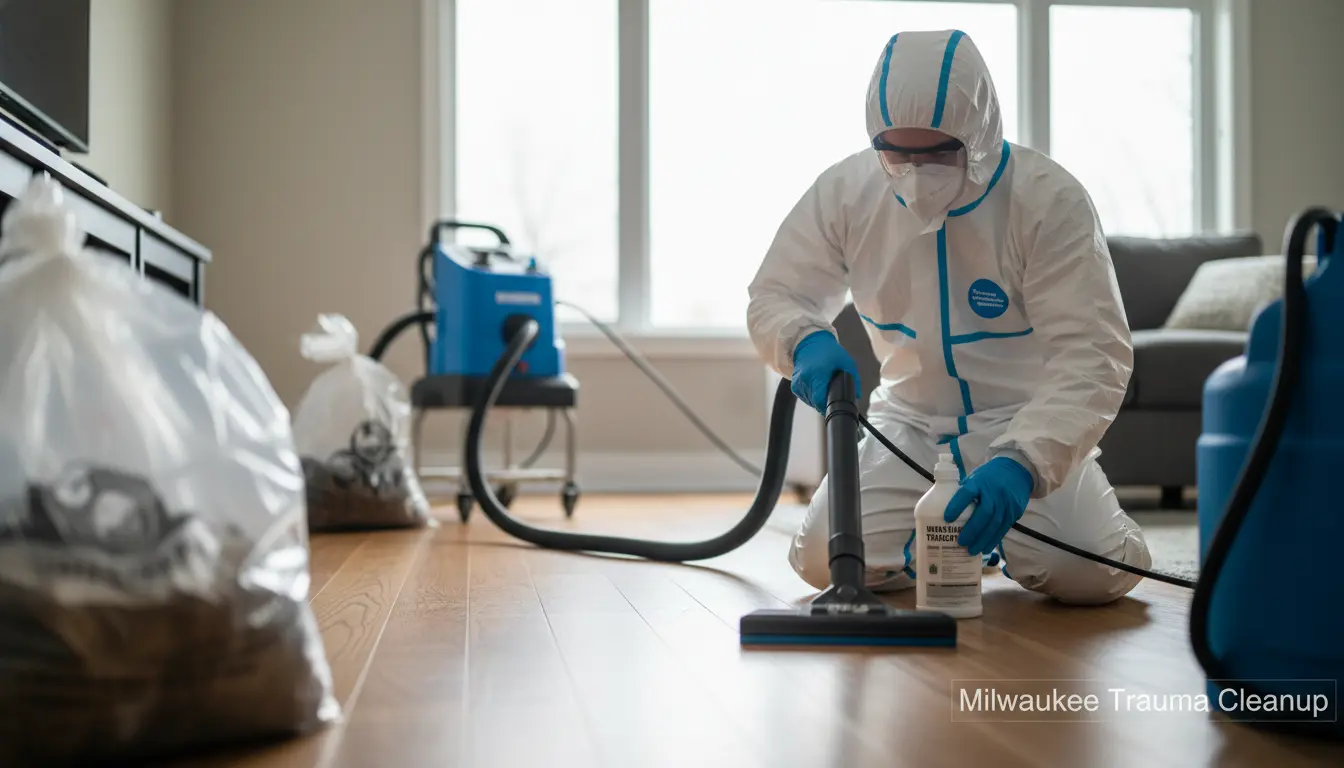
Our certified biohazard technicians follow OSHA and EPA guidelines, ensuring safe disposal of hazardous materials. We use industrial-grade disinfectants and equipment to eliminate 99.9% of pathogens, restoring your property to pre-incident condition.
In Milwaukee’s varying climates—from Lake Michigan’s dampness to winter chills—professional intervention prevents mold or further damage. We’ve served countless scenes across the city, providing discreet and efficient service.
Integrating Forensic Cleaning Expertise
For scenes requiring evidence preservation, our forensic cleaning experts coordinate with authorities. We meticulously clean while respecting investigative needs, including wall surface sanitization to remove stains and odors without compromising surfaces.
Practical tip: Contact us at (414) 221-7950 for a free assessment. We arrive within hours in most Milwaukee areas, minimizing downtime for businesses or families.
Local Milwaukee Resources and Regulations
Navigating post-crime cleanup in Milwaukee involves understanding local laws. Wisconsin Statute 254.569 requires licensed professionals for biohazard remediation, and Milwaukee County has specific waste disposal protocols.
Accessing Community Support
Reach out to the Milwaukee Department of Neighborhood Services for property restoration guidance. For unattended deaths, which are common in urban settings, our unattended death cleanup services align with local coroner’s protocols.
In areas like Waukesha or Brookfield, community centers offer additional support. Insurance often covers professional cleanup—check your policy for biohazard riders.
Insurance and Financial Assistance
Most homeowners’ and commercial policies in Milwaukee include coverage for trauma cleanup. Document everything and file claims promptly. Milwaukee Trauma Cleanup works directly with insurers to streamline the process, reducing your out-of-pocket costs.
Common Mistakes to Avoid After a Crime Scene
Rushing into cleanup or ignoring professionals can lead to costly errors. Here’s what not to do:
-
Attempting Personal Cleanup: Without certification, you risk health and legal penalties. Biohazards require specialized disposal, not household bleach.
-
Delaying Professional Help: Waiting can worsen contamination, especially in Milwaukee’s variable weather. Act within 24-48 hours.
-
Overlooking Hidden Damage: Porous materials like carpets absorb fluids deeply—professionals use detection tools to find and treat them.
-
Neglecting Odor Control: Lingering smells indicate incomplete cleaning. Our techniques ensure total elimination.
By avoiding these pitfalls, you protect your well-being and property value.
FAQ: Post-Crime Scene Cleanup in Milwaukee
How long does it take for professionals to respond in Milwaukee?
Milwaukee Trauma Cleanup typically arrives within 2-4 hours of your call to (414) 221-7950, depending on location and traffic. We prioritize urgent cases across the metro area.
Is crime scene cleanup covered by insurance?
Yes, most policies cover it under biohazard or trauma provisions. We’ll assist with claims to make the process seamless.
What if the crime scene involves hoarding elements?
Complex scenes may include hoarding; our hoarding cleanup assistance handles sensitive, layered remediation compassionately.
Can I stay in my home during cleanup?
For safety, we recommend temporary relocation. Our team works quickly—often completing in 1-3 days—to minimize disruption.
Are there eco-friendly options for cleanup in Milwaukee?
Absolutely. We use EPA-approved, biodegradable agents and recycle where possible, aligning with Milwaukee’s sustainability efforts.
Conclusion: Restore Your Space with Milwaukee Experts
Navigating the aftermath of a crime scene in Milwaukee is daunting, but with the right steps and professional support, recovery is possible. From securing the site to enlisting certified experts, proactive action safeguards your health and home. At Milwaukee Trauma Cleanup, we’re dedicated to providing reliable, empathetic service tailored to our community.
Don’t face this alone—contact us today at (414) 221-7950 for immediate assistance. Let us help you reclaim your peace and restore your property to safety.