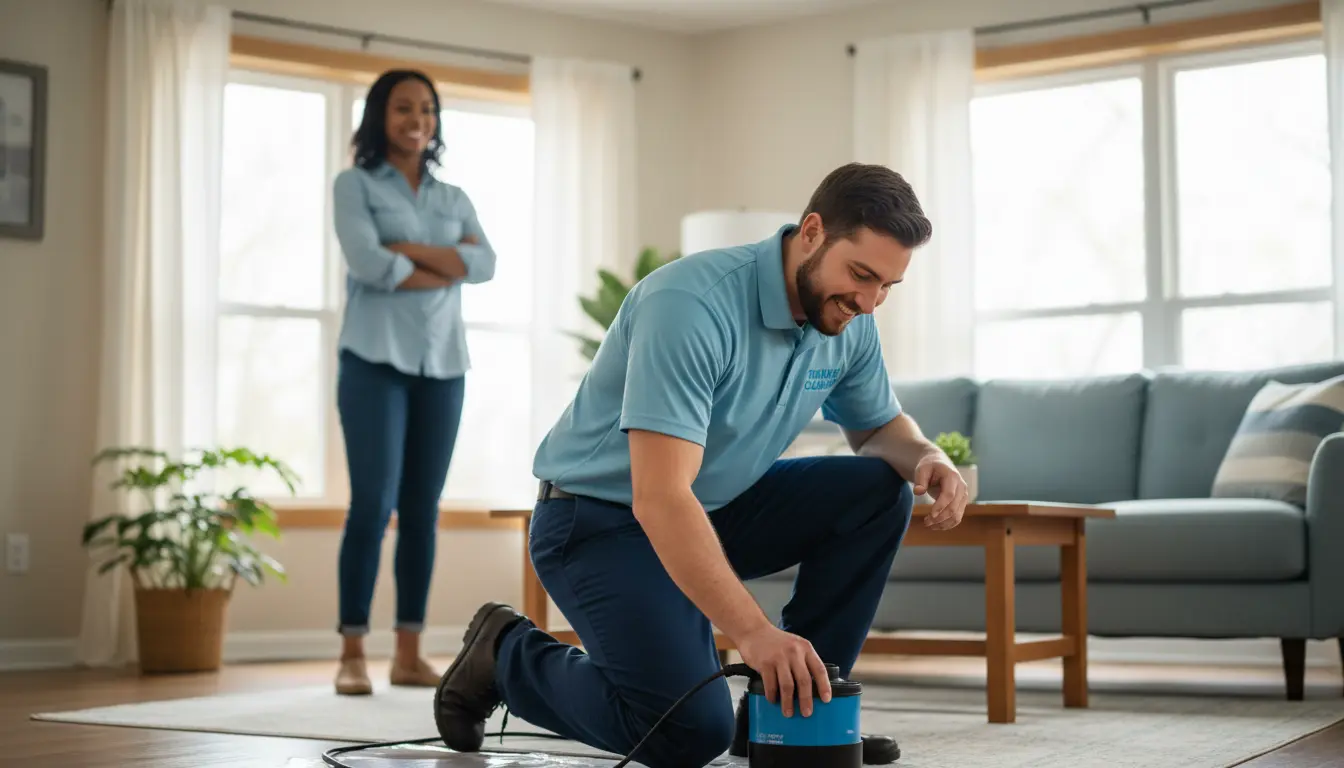
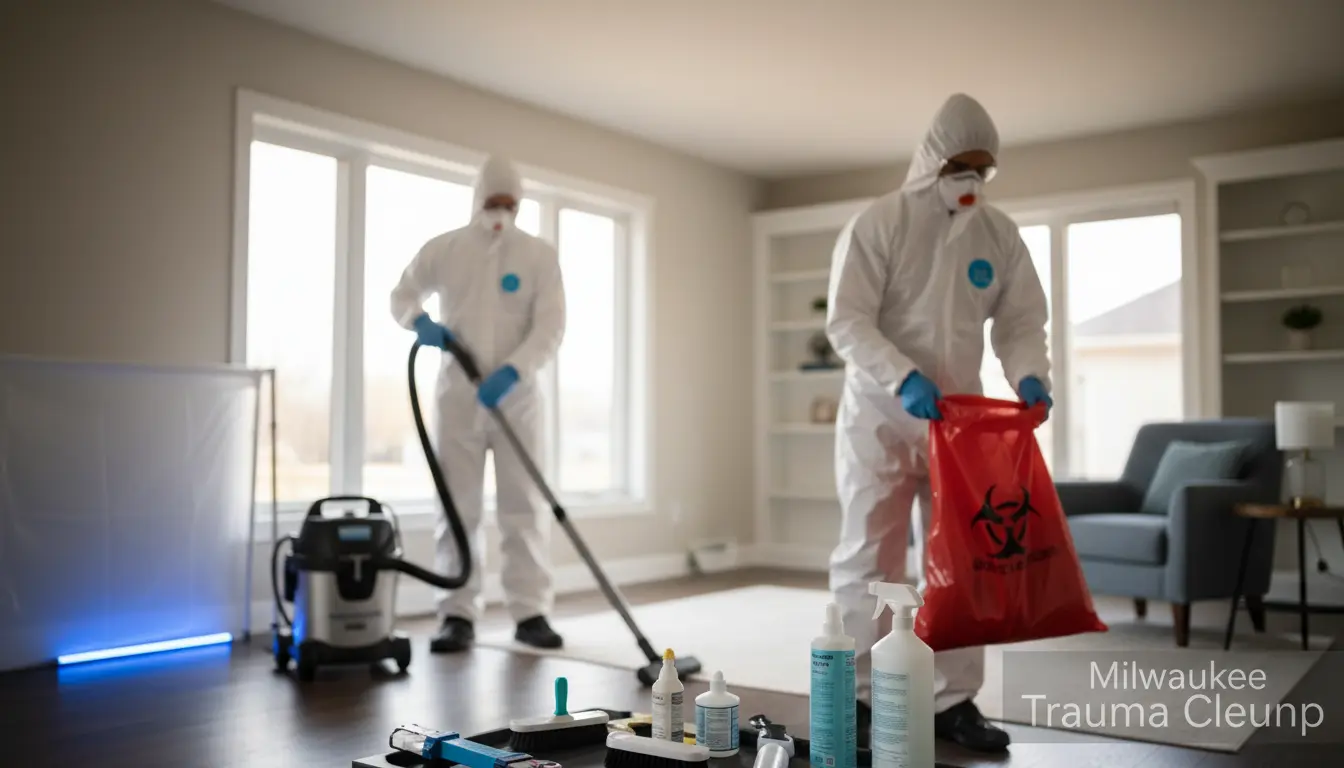
Facing a traumatic event in your home or property can be overwhelming, especially in a bustling city like Milwaukee where life moves fast. Whether it’s an unattended death, accident, or other biohazard situation, you need professionals who can handle the cleanup with sensitivity, efficiency, and expertise. At Milwaukee Trauma Cleanup, we’ve been serving the Milwaukee area for years, providing compassionate restoration services that prioritize your emotional well-being and safety. This ultimate guide will walk you through everything you need to know about selecting the right trauma pros in Wisconsin, with a focus on local reliability and best practices.
Trauma cleanup isn’t just about removing debris—it’s about restoring your space to a safe, livable condition while respecting the gravity of the situation. In Wisconsin’s harsh winters and humid summers, biohazards can spread quickly if not addressed properly. Let’s dive into how to choose pros who deliver results, drawing from our experience in Milwaukee and surrounding areas.
Understanding Trauma Cleanup Services
Before selecting a provider, it’s essential to grasp what trauma cleanup entails. These services go beyond standard cleaning, involving the safe removal of biohazardous materials like blood, bodily fluids, and pathogens that can pose serious health risks.
What Makes Trauma Cleanup Different?
Unlike regular janitorial services, trauma pros are trained in OSHA-compliant protocols for handling infectious waste. In Milwaukee, where urban density means quick response times are crucial, look for companies equipped with specialized tools like HEPA vacuums, industrial disinfectants, and PPE gear. For instance, if you’re dealing with an unattended death cleanup, the process includes odor neutralization and structural deodorization to eliminate lingering smells that could affect your property’s value.
Common Types of Trauma Scenes
Trauma events vary, from homicides to suicides and accidents. In Wisconsin, homicide scene decontamination requires meticulous evidence preservation in coordination with law enforcement. For vehicle-related incidents, accident site cleaning ensures roads and properties are safe again. Understanding these distinctions helps you match the right expertise to your needs.
Key Qualities to Look for in Trauma Pros
Choosing the wrong team can prolong your distress, so prioritize these attributes when vetting providers in Wisconsin.
Certification and Licensing
Always verify that the company holds necessary certifications, such as IICRC Trauma Scene Waste Management or biohazard remediation training. In Milwaukee, state regulations under Wisconsin’s Department of Natural Resources (DNR) mandate proper waste disposal. Reputable firms like Milwaukee Trauma Cleanup are fully licensed and insured, ensuring compliance and protecting you from liability.
Experience and Local Knowledge
Opt for pros with a proven track record in Wisconsin’s unique environment. Milwaukee’s lakefront location means moisture control is vital to prevent mold growth post-cleanup. Local teams understand the area’s architecture—from historic East Side homes to modern New Berlin developments—and can navigate permits efficiently. If your property is in West Allis, experienced locals know the quickest routes for discreet transport of biohazards.
Compassionate and Discreet Approach
Trauma affects everyone differently, so choose a team that offers 24/7 availability and empathetic service. At Milwaukee Trauma Cleanup, our staff is trained in crisis response, providing support without judgment. Discretion is key—unmarked vehicles and confidential processes respect your privacy, especially in tight-knit communities like Mequon.
Practical Tips for Hiring Trauma Cleanup Experts
Armed with the basics, here are actionable steps to find and hire the best in Wisconsin.
Step 1: Research and Get Referrals
Start by searching for "trauma cleanup Milwaukee" and read reviews on Google or BBB. Ask for referrals from local real estate agents or property managers who deal with such situations. Check if the company has case studies or testimonials from Wisconsin clients. For hoarding-related traumas, explore hoarding cleanup assistance options that integrate mental health support.
Step 2: Ask the Right Questions
During consultations, inquire about their process: How do they assess the scene? What’s their turnaround time? Do they handle biohazard waste removal in compliance with EPA guidelines? Request a detailed quote covering labor, materials, and disposal fees. In Milwaukee’s variable weather, confirm if they offer weatherproofing for outdoor scenes.
Step 3: Evaluate Response Time and Cost
Emergencies don’t wait, so prioritize companies with rapid response—ideally within hours. Costs vary from $1,000 to $5,000+ based on scene size, but avoid suspiciously low bids that might cut corners on safety. Factor in insurance coverage; Milwaukee Trauma Cleanup provides transparent pricing with no hidden fees, serving areas like Muskego efficiently.
Step 4: Verify Insurance and Guarantees
Ensure the provider has general liability and workers’ comp insurance. Look for satisfaction guarantees, like our 100% restoration promise at Milwaukee Trauma Cleanup. This protects you if issues arise post-cleanup, such as incomplete pathogen removal.
Navigating Local Regulations in Wisconsin
Wisconsin has stringent rules for biohazard handling, overseen by the Department of Health Services (DHS). Trauma pros must transport waste to approved facilities, often in Milwaukee County. If your incident involves a rental property on the East Side, coordinate with landlords to meet habitability standards under state law. Choosing a local expert ensures seamless compliance, avoiding fines or delays.
In Milwaukee, partnerships with first responders streamline access to secured scenes. For example, after a workplace accident in an industrial zone, pros can work alongside Milwaukee Fire Department protocols for safe decontamination.
The Emotional Side of Trauma Cleanup
Beyond logistics, hiring pros who understand grief is crucial. Many families in Wisconsin face these challenges during harsh seasons, when isolation can intensify trauma. Look for services offering resource referrals to counselors or support groups in Milwaukee, like those through the Medical College of Wisconsin. At Milwaukee Trauma Cleanup, we emphasize a holistic approach, helping you reclaim your space and start healing.
FAQ: Common Questions About Choosing Trauma Pros in Wisconsin
1. How quickly should I call trauma cleanup services after an incident?
Immediately—delaying can lead to health hazards from bacterial growth. In Milwaukee, 24/7 services like ours respond within 1-2 hours to contain the scene.
2. Is trauma cleanup covered by insurance in Wisconsin?
Often yes, through homeowners, renters, or liability policies. Contact your provider and share our detailed invoice from Milwaukee Trauma Cleanup for reimbursement.
3. Do I need to vacate my property during cleanup?
Typically, yes, for safety. Duration varies from a few hours to days, depending on the scene’s severity. We’ll advise based on Wisconsin health guidelines.
4. How do I know if a company is legitimate?
Check for certifications, reviews, and local presence. Avoid out-of-state firms unfamiliar with Wisconsin’s DNR waste rules.
5. What if the trauma involves a hoarding situation?
Specialized hoarding cleanup assistance combines physical removal with sensitivity, often partnering with social services in Milwaukee.
Conclusion: Take the First Step with Milwaukee Trauma Cleanup
Selecting the right trauma pros in Wisconsin means prioritizing expertise, empathy, and local insight to turn a devastating situation into one of recovery. From the shores of Lake Michigan to inland suburbs, Milwaukee Trauma Cleanup is your trusted partner, delivering thorough, compassionate services across the region. Don’t let biohazards linger—contact us today at (414) 221-7950 for a free consultation and reclaim your peace of mind. We’re here to help every step of the way.