Imagine a loved one passing away alone, undiscovered for days or even weeks. This heartbreaking scenario, known as an unattended death, is more common than you might think in Milwaukee. As a bustling city with a mix of urban apartments, suburban homes, and aging populations, Milwaukee faces unique challenges that contribute to these tragedies. At Milwaukee Trauma Cleanup, we’ve seen the devastating aftermath firsthand, and we’re here to shed light on the statistics, causes, and solutions to help prevent them.
In this post, we’ll dive into eye-opening data on unattended deaths in Milwaukee, explore why they happen, and share practical advice for families. Whether you’re caring for an elderly relative in West Allis or living in a high-rise in downtown Milwaukee, understanding these risks can save lives. Let’s uncover the facts and empower you to act.
What Is an Unattended Death?
An unattended death occurs when someone passes away without anyone present, and their body isn’t discovered promptly—often due to living alone or limited social connections. Unlike attended deaths in hospitals or with family nearby, these situations lead to decomposition, biohazards, and emotional trauma for those who find the scene.
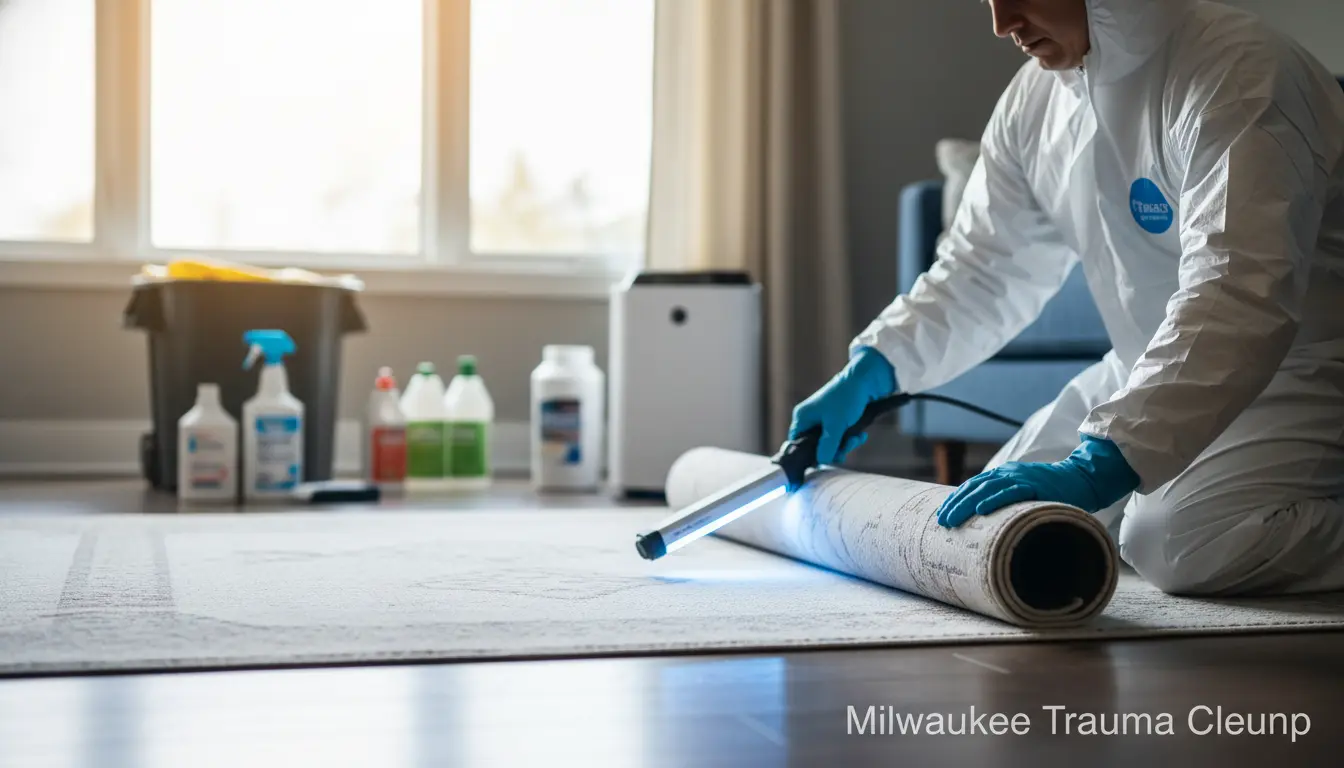
In Milwaukee, where over 20% of residents live alone according to recent census data, the risk is elevated. These incidents require specialized property restoration after trauma to safely clean and restore affected areas, preventing health hazards from bacteria, fluids, and odors.
Why It Matters in Urban Settings
Milwaukee’s dense neighborhoods, like those in Greenfield or Hales Corners, mean that neighbors might not notice signs of distress right away. The city’s harsh winters can exacerbate isolation, as people stay indoors longer. Unattended deaths aren’t just statistics—they leave lasting impacts on properties and communities, often necessitating accident site cleaning services to handle the biohazardous aftermath.
Shocking Statistics on Unattended Deaths in Milwaukee
The numbers behind unattended deaths in Milwaukee are alarming and underscore the need for awareness. According to data from the Milwaukee County Medical Examiner’s Office, unattended deaths account for approximately 15-20% of all unnatural deaths annually in the region. In 2022 alone, over 200 cases were reported, with a notable uptick in areas like Waukesha and Muskego due to aging demographics.
Nationally, the National Association of Medical Examiners reports that unattended deaths have risen by 25% since 2010, driven by the opioid crisis and increasing solitary living. In Milwaukee, local reports from the Wisconsin Department of Health Services indicate that seniors over 65 make up 40% of these cases, often in quiet suburbs like West Allis.
Local Breakdown: Milwaukee Neighborhood Insights
Focusing on Milwaukee proper, the city’s north side sees higher incidences linked to socioeconomic factors, while southern suburbs like Greenfield report cases tied to isolation in single-family homes. A 2023 study by the Urban Institute highlighted that in metro Milwaukee, delayed discovery times average 3-5 days, leading to severe decomposition that complicates cleanup.
These stats aren’t abstract— they affect real families. For instance, in Hales Corners, a cluster of cases last year prompted community discussions on wellness checks. If you’re in these areas, knowing the signs can make a difference; our team at Milwaukee Trauma Cleanup serves all of Greenfield and surrounding spots with discreet, professional services.
Causes and Risk Factors in Milwaukee
What drives these unattended deaths? Several factors converge in Milwaukee’s unique environment.
The Role of Isolation and Aging
Milwaukee’s population includes a significant number of seniors—over 16% are 65 and older, per U.S. Census Bureau data. Many live independently in neighborhoods like Muskego, where family members might be spread out. Chronic illnesses, such as heart disease prevalent in Wisconsin, often lead to sudden, solitary passing.
The opioid epidemic adds another layer; Milwaukee County reported over 500 overdose deaths in 2022, many unattended due to stigma and solitude. Mental health issues, amplified by the city’s urban stresses, also play a role.
Environmental and Seasonal Influences
Winter in Milwaukee brings blizzards that isolate residents, delaying check-ins. Summer heat waves can accelerate decomposition in unattended cases, making vehicle interior decontamination necessary if a death occurs in a car. Hoarding, common in some Waukesha homes, can hide signs of distress, requiring specialized hoarding cleanup assistance.
The Emotional and Practical Impact
Beyond the stats, unattended deaths devastate families. Discovering a loved one in a decomposed state causes profound grief, compounded by the logistical nightmare of cleanup. Properties become uninhabitable without professional intervention, leading to financial strain.
In Milwaukee communities like those in Waukesha, this can stigmatize neighborhoods. Emotionally, survivors often need support; that’s why Milwaukee Trauma Cleanup coordinates grief support coordination alongside our biohazard services, helping families heal.
Health risks are real too—pathogens from bodily fluids can spread if not handled properly, affecting first responders and family members.
Practical Tips for Prevention and Early Detection
You don’t have to be helpless. Here are actionable steps tailored to Milwaukee residents to reduce the risks of unattended deaths.
Daily Wellness Checks and Technology
Encourage regular check-ins for at-risk loved ones. Use apps like Life360 for location sharing or medical alert systems from local providers. In Milwaukee, the city’s Aging and Disability Resource Center offers free resources for seniors in areas like Hales Corners.
Install smart home devices, such as doorbell cameras or motion sensors, to alert family if someone hasn’t moved in hours. For apartment dwellers in downtown Milwaukee, building management can implement buddy systems.
Community and Family Strategies
Foster connections—join local Milwaukee senior centers or neighborhood watches in West Allis. Schedule weekly calls or visits, especially during winter. If hoarding is an issue, address it early with professional help to ensure access in emergencies.
Educate on signs of distress: missed mail, overflowing trash, or unusual quiet. Milwaukee’s 211 helpline connects you to crisis intervention services.
For Caregivers in Milwaukee Suburbs
If you’re caring for someone in Muskego or Greenfield, create an emergency contact plan. Share medical info with neighbors and use services like Meals on Wheels for daily welfare checks. Remember, prevention starts with awareness—talk openly about end-of-life planning to avoid isolation.
What to Do If You Suspect an Unattended Death
Discovery is traumatic, but swift action helps. First, call 911—do not enter the scene to avoid contamination. Milwaukee police and medical examiners will handle initial response.
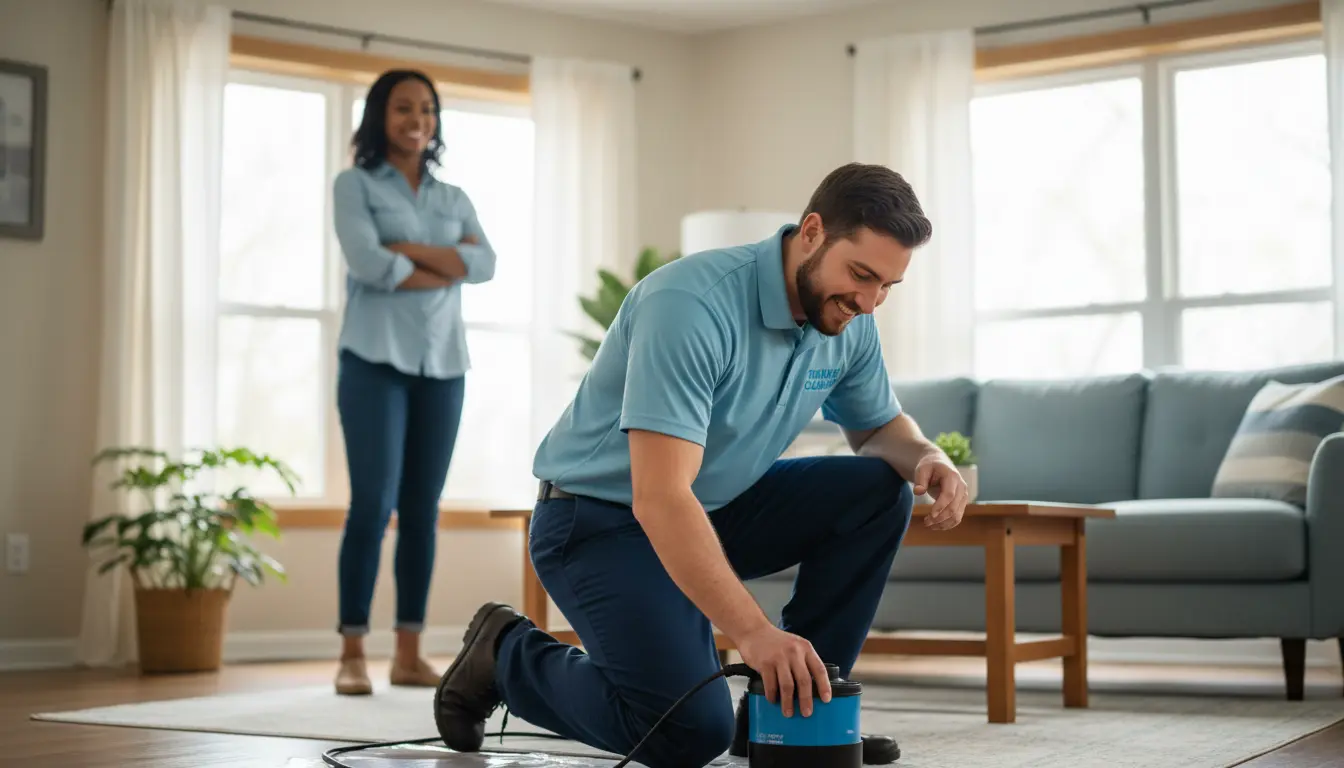
Once cleared, contact professionals like Milwaukee Trauma Cleanup at (414) 221-7950 for biohazard remediation. We’ll assess the site, remove hazards, and restore your property compassionately. In cases involving vehicles, our vehicle interior decontamination ensures safety.
Document everything for insurance, and lean on grief resources. Acting quickly minimizes long-term damage.
FAQ: Unattended Deaths in Milwaukee
What should I do immediately after discovering an unattended death?
Call emergency services right away. Avoid touching anything to prevent exposure to biohazards. Milwaukee Trauma Cleanup can assist with the cleanup phase—reach us at (414) 221-7950.
How common are unattended deaths in Milwaukee suburbs like Waukesha?
Quite common; data shows a 15% rise in suburban areas due to isolation. Our services cover Waukesha fully.
Can unattended deaths be prevented with technology?
Yes! Devices like fall detectors and automated check-in systems are effective. Local Milwaukee programs offer subsidies for low-income seniors.
What health risks come from an unattended death scene?
Decomposition releases pathogens, odors, and toxins. Professional property restoration after trauma is essential to eliminate these.
How does Milwaukee Trauma Cleanup handle sensitive cases?
With discretion and empathy, including grief support coordination. We serve all areas, from Muskego to downtown.
Conclusion: Take Action to Protect Your Milwaukee Community
The shocking stats on unattended deaths in Milwaukee reveal a silent crisis affecting families across the city and suburbs. From the isolation of West Allis homes to the quiet streets of Greenfield, awareness and prevention are key. By implementing wellness checks, leveraging technology, and knowing when to call for help, you can make a difference.
If you’ve experienced an unattended death or need advice on biohazard cleanup, don’t hesitate. Milwaukee Trauma Cleanup is your trusted partner, offering 24/7 services with compassion and expertise. Contact us today at (414) 221-7950 or visit our site to learn more about how we support Milwaukee families through tough times. Together, we can turn these statistics around—one connected life at a time.