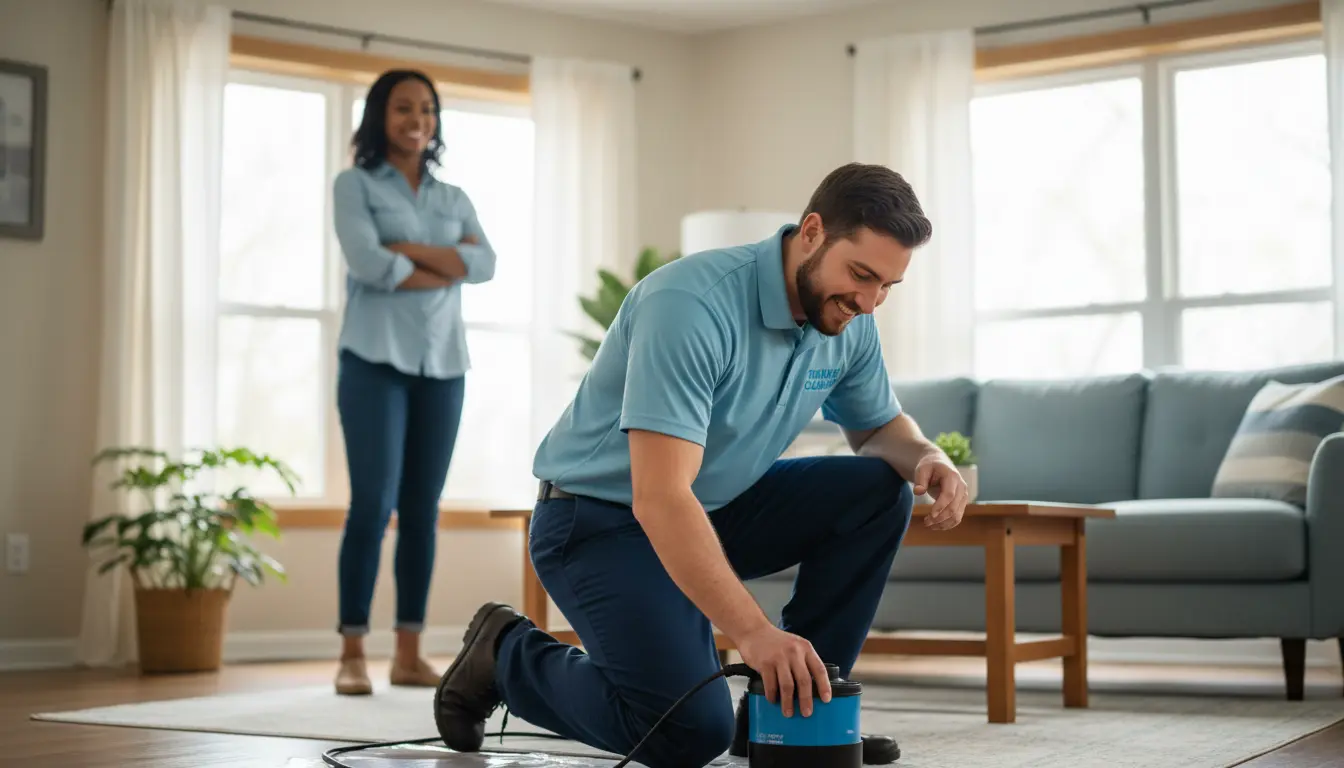
That night, the family’s first question was simple: “How much will this cost?” But the real question they should have asked was, “What is your process for ensuring no bloodborne pathogens remain in the subfloor?” That distinction between a superficial price quote and a technically rigorous remediation plan is exactly why property owners and managers in Milwaukee must understand the right questions to ask before hiring a trauma cleanup company. The wrong decision can lead to hidden health risks, structural damage, and legal liability under Wisconsin’s occupational safety laws.
Whether you are a landlord in Waukesha, a business owner in Franklin, or a family member dealing with an unattended death in Cudahy, the following questions will help you evaluate any trauma cleanup company in Milwaukee with the same technical rigor that a certified biohazard remediation specialist would apply. This guide is based on over a decade of experience in forensic restoration and adherence to IICRC S540 and OSHA 29 CFR 1910.1030 standards.
What Is Your Step-by-Step Remediation Process for Bloodborne Pathogen Removal?
A professional trauma cleanup company should be able to articulate every phase of the remediation workflow without hesitation. The process begins with a comprehensive risk assessment. We first establish containment zones using negative air pressure machines to prevent cross-contamination to habitable areas. In Milwaukee’s historic homes, where porous materials like plaster and lath are common, the risk of hidden biological seepage is high. The next step is the physical removal of all biohazardous materials, including blood-soaked carpet, padding, and drywall, which are placed into approved biohazard bags for incineration. After removal, we apply an EPA-registered hospital-grade disinfectant with a dwell time verified by the manufacturer to kill bloodborne pathogens such as hepatitis B and HIV.
Following disinfection, we perform adenosine triphosphate (ATP) fluorescence testing to verify that no organic material remains. This is a critical step that many general cleaning companies skip. If ATP levels exceed a certain threshold, the area must be re-cleaned and retested. Finally, we apply an enzyme treatment designed to break down any residual proteins and odors, and we seal the affected surfaces with a specialized encapsulant to prevent future microbial growth. If you are comparing services, ask about ATP testing specifically. Companies that do not use it cannot guarantee pathogen elimination.
How Do You Account for Milwaukee’s Climate and Seasonal Conditions?
The Great Lakes humidity profile significantly affects decomposition timelines and odor migration. In summer, temperatures in Milwaukee regularly exceed 85°F, accelerating putrefaction and causing fluids to wick deep into porous materials. In winter, frozen ground can delay site access, and the cold may slow biological activity but does not prevent it. A competent trauma cleanup company will adjust their approach based on the season. For example, during winter, we use specialized heating units to thaw affected areas so that biological fluids can be fully extracted. In humid summer months, we deploy industrial dehumidifiers and antimicrobial fogging to prevent mold growth. Ask the company how they handle seasonal variations. The answer should reflect a deep understanding of Milwaukee’s specific weather patterns, not a generic one-size-fits-all protocol.
Data Comparison: Professional Biohazard Remediation vs. Standard Residential Cleaning
| Feature/Metric | Professional Biohazard Remediation | Standard Residential Cleaning |
|---|---|---|
| Regulatory Compliance | OSHA 29 CFR 1910.1030, IICRC S540, EPA waste disposal | None (general cleaning standards only) |
| Pathogen Elimination | EPA-registered hospital-grade disinfectants + ATP testing | Household bleach (ineffective against all pathogens) |
| Structural Assessment | Full inspection of subfloor, insulation, and HVAC for contamination | Surface cleaning only, no hidden assessment |
| Odor Removal | Enzyme treatment, ozone or hydroxyl generators, negative air scrubbers | Air fresheners (temporary, no removal) |
| Waste Disposal | Licensed medical waste transporter, incineration | Regular trash (illegal and hazardous) |
Expert Insights: Three Advanced Diagnostic Tips for Property Owners
First, never rely on visual inspection alone. Biological fluids can travel through gaps in floorboards, along pipe chases, and into the subfloor where they remain undetected for weeks. In one Milwaukee home, we found that blood had seeped through a bathroom tile grout line and pooled under the vinyl flooring in the adjacent hallway. The homeowner insisted the spill was contained, but our ATP meter showed readings ten times above the threshold. This is why a professional company must use diagnostic tools, not just eyes. Second, understand that porous materials like drywall, carpet, and upholstery cannot be adequately cleaned after a trauma scene. They must be removed and replaced. Attempting to clean them with bleach only drives the pathogen deeper and creates a long-term health hazard. Third, the importance of negative pressure to prevent cross-contamination cannot be overstated. Without it, air currents can carry airborne pathogens to other parts of the building, affecting occupants and first responders. Always ask the company if they use negative air machines and how they maintain containment.
Common Mistakes Property Owners Make
One of the most frequent errors is using household bleach on biological matter. Bleach is a disinfectant only when used at the correct concentration and contact time, which varies by surface. On porous surfaces, bleach actually denatures proteins and makes them harder to remove. Another mistake is waiting for odor to dissipate naturally. Odor is a sign of ongoing microbial activity, and the gases produced can be toxic. In Milwaukee’s humid climate, waiting even a day can allow mold to establish. Finally, allowing untrained personnel—such as neighbors or unlicensed contractors—into the site before professional remediation can introduce contaminants to their clothing and vehicles, spreading pathogens. The consequences include long-term health risks like hepatitis C infection, structural damage from moisture, and legal liability if the property is later sold without disclosure.
Pricing: Understanding the Real Cost of Trauma Cleanup in Milwaukee
- Site mobilization fee: Most companies charge a flat fee to cover travel, equipment setup, and initial assessment. In Milwaukee, this typically ranges from $250 to $500 depending on the distance from the company’s base. For example, a job in Oak Creek may be lower than one in Menomonee Falls due to logistics.
- Hourly remediation rates: After mobilization, work is billed at an hourly rate, usually between $150 and $300 per technician per hour. The number of technicians depends on the size of the scene. A single-room suicide might require two technicians for four hours, while a homicide with multiple rooms could require a team of four for eight hours or more.
- Specialized disposal costs: Biohazardous waste must be disposed of through licensed medical waste transporters. These costs are passed on to the client, typically $50 to $150 per waste bag. The weight of saturated materials also affects the final disposal fee.
Three major factors influence the total cost. First, the extent of structural material replacement required. If fluids have soaked into subflooring, drywall, or insulation, those materials must be cut out and replaced, which adds to labor and material costs. Second, the total volume of biohazardous waste, which determines disposal fees. Third, the need for specialized HVAC decontamination if the building’s heating and air conditioning system has been contaminated. This can easily add $1,000 to $3,000 to the project. A reputable company will provide a written estimate after a site visit, but many will offer a flat rate for smaller jobs. Always ask for a detailed breakdown before signing any contract.
Safety and Standards: Certifications and Protocols That Protect You
When you ask about safety, the company should immediately reference the OSHA Bloodborne Pathogens Standard (29 CFR 1910.1030), which requires employers to provide a written exposure control plan, proper personal protective equipment, and hepatitis B vaccinations for employees. IICRC certification, specifically the S540 standard for trauma and crime scene cleanup, ensures the company follows industry best practices for containment, disinfection, and waste disposal. Additionally, the company must use authorized waste management services for disposal of biohazardous materials, as required by the Wisconsin Department of Natural Resources. In practice, these standards protect property owners from future liability. For example, if a cleaning company improperly disposes of blood-soaked materials in a regular dumpster, the property owner could be held responsible for environmental contamination. The same applies to businesses: if a trauma scene is not properly remediated in a commercial property, employees or customers could be exposed to bloodborne pathogens, leading to workers’ compensation claims or lawsuits. Always verify that the company carries both general liability and pollution liability insurance, and ask for a copy of their OSHA training records.
Frequently Asked Questions About Trauma Cleanup in Milwaukee
How long does it take to complete a trauma cleanup in Milwaukee?
Most residential trauma scenes are completed within one to two days, assuming the affected area is not extensive. However, factors such as the size of the scene, the type of biological material, and the need for structural repairs can extend the timeline. For example, an unattended death in a Milwaukee apartment where decomposition has been ongoing for weeks may require more extensive removal of flooring and wallboard, adding a day or two. Weather conditions also play a role: if the site is in a lower-level basement prone to flooding, drying times may be longer. A professional company will provide a timeline estimate after the initial assessment.
Can I clean up a trauma scene myself to save money?
Technically, a property owner can attempt to clean a scene, but doing so is extremely dangerous and often illegal. Household cleaners are not effective against bloodborne pathogens, and improper disposal of biohazardous waste violates Wisconsin state law. Moreover, without proper training and equipment, individuals risk exposure to hepatitis B, hepatitis C, HIV, and other diseases. The hidden dangers of DIY cleanup in Milwaukee homes include long-term health issues and potential legal penalties. For these reasons, professional remediation is not just recommended—it is the only safe and compliant option.
Do you work with insurance companies and law enforcement?
Yes, reputable trauma cleanup companies in Milwaukee regularly coordinate with property insurance adjusters, homeowners’ insurance providers, and local law enforcement agencies. We provide documentation of the work performed, including photographs, ATP test results, and waste disposal receipts, which can be used to support insurance claims. Many companies also offer direct billing to insurance companies, reducing the financial burden on the family. If you are working with a claims adjuster, ask if the company is preferred or listed by your insurance carrier. For more information, see our Milwaukee guide to safe homicide cleanup services.
Will the cleanup process disturb my neighbors or other tenants?
Professional trauma cleanup companies prioritize discretion and minimal disruption. We use containment barriers and negative air pressure to prevent odors and airborne particles from escaping the work area. Equipment like high-efficiency particulate air (HEPA) vacuum cleaners and scrubbers ensure that the environment outside the containment zone remains safe. In multi-unit buildings, we coordinate with property managers to schedule work during low-occupancy hours and to communicate with tenants as needed. No one should be exposed to the scene unless they are part of the remediation team.
If you have additional questions, our contact us page provides direct access to our team, and we are happy to discuss your specific situation.
Professional Biohazard Remediation in Milwaukee
Choosing the right trauma cleanup company is not just about price—it is about ensuring the safety of everyone who will occupy the space after the cleanup is complete. The questions outlined in this guide are designed to help you evaluate a company’s technical competence, adherence to regulatory standards, and ability to handle the unique challenges of Milwaukee’s climate and architecture. When you ask about ATP testing, negative air pressure, and IICRC certification, you are demanding a level of professionalism that separates true experts from general cleaning services. At Milwaukee Trauma Cleanup, we have been providing these services for over a decade, and we know that the right questions lead to the right outcomes. Whether you are dealing with a suicide, homicide, unattended death, or industrial accident, we are ready to respond 24/7 with the compassion and technical rigor that every situation deserves.