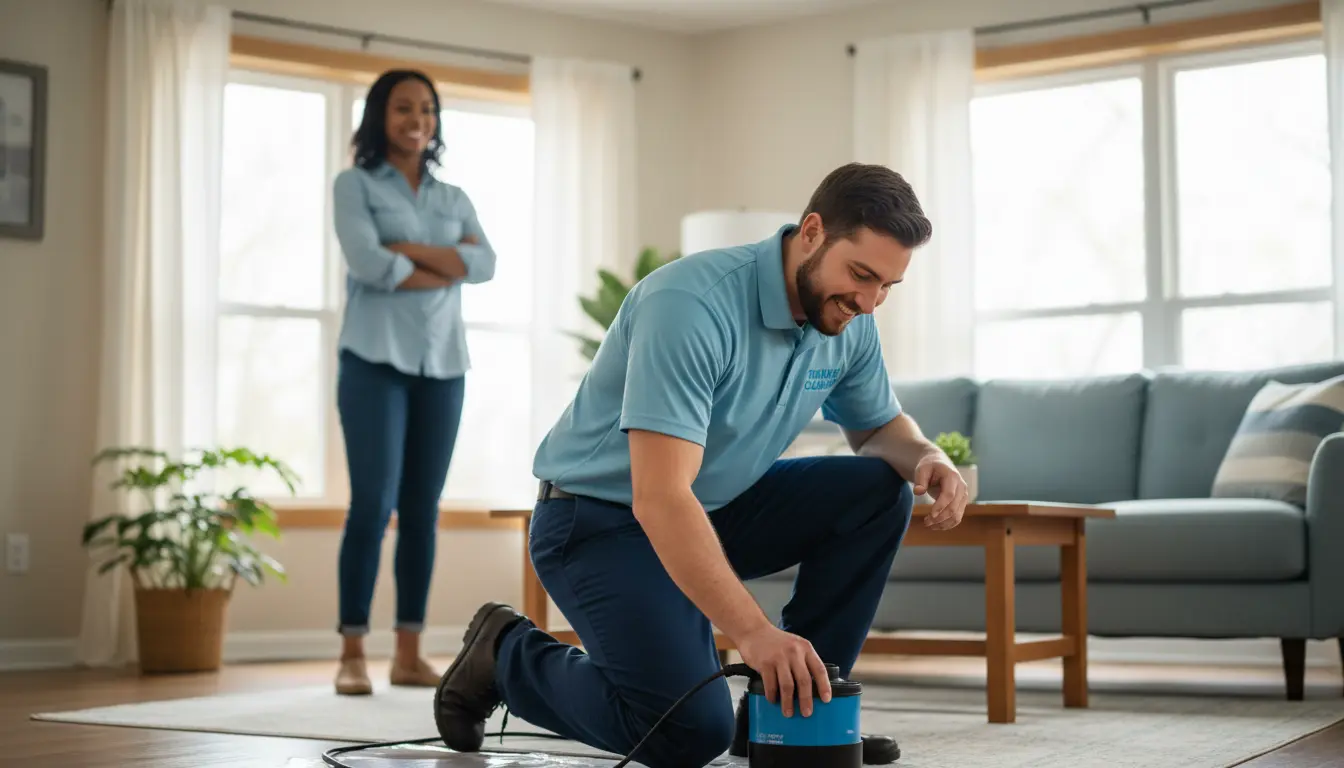
You just spent thousands on trauma cleanup in your Milwaukee home, yet the air still carries a faint, sickly-sweet odor of decomposition. That lingering smell isn’t just a psychological burden—it signals that airborne pathogens, volatile organic compounds (VOCs), and microbial spores have penetrated your HVAC system, wall cavities, and soft furnishings. Without proper air quality restoration, your property loses value, and occupants face risks of respiratory infections, allergic reactions, and long-term immune system stress. The cost of neglecting this invisible contamination can exceed $20,000 in future medical bills and property depreciation.
Restoring indoor air quality after a trauma-related incident requires a scientifically rigorous process far beyond standard cleaning. In Milwaukee, where Great Lakes humidity can accelerate biological decay and the region’s historic homes feature porous materials like horsehair plaster and deep-set floorboards, the challenge is even greater. Professional biohazard remediation specialists follow IICRC S540 standards, using industrial-grade equipment and EPA-registered disinfectants to eliminate bioburden at the molecular level. Milwaukee Trauma cleanup is the area’s leading provider of these critical services, combining advanced forensic restoration techniques with compassionate, discreet support for families and businesses.
Technical Process for Air Quality Restoration
The first step is a comprehensive risk assessment using real-time aerosol particle counters and ATP swab testing to map contamination zones. Technicians establish containment barriers with negative air pressure machines and HEPA-filtered negative air units to prevent cross-contamination. All personnel wear full PPE, including N100 respirators and Tyvek suits, following OSHA Bloodborne Pathogens Standard 29 CFR 1910.1030.
Next, physical removal of all visible biohazard waste using hospital-grade disinfectants and enzyme-based cleaners that break down proteins and lipids. The HVAC system is disconnected, and ductwork is cleaned with rotary brushes and sealed with antimicrobial coatings. Porous materials like drywall, carpet, and upholstery are removed and disposed of as regulated medical waste. The space is then fogged with an EPA-registered sterilant that reaches every crevice, achieving a 99.99% reduction in microbial load.
After surface decontamination, air quality is verified through gas chromatography to detect residual VOCs and particulate matter. Ozone shock treatment may be employed in unoccupied spaces to oxidize remaining odors, but only after ensuring no occupants or pets will be exposed. Finally, a post-remediation clearance report is issued, confirming compliance with IICRC S540 and occupational safety standards.
Data Comparison: Professional vs. Standard Cleaning
| Feature/Metric | Professional Biohazard Remediation | Standard Residential Cleaning |
|---|---|---|
| Pathogen Reduction | 99.99% (validated by ATP testing) | 90-95% (no verification) |
| Regulatory Compliance | OSHA, EPA, IICRC S540, Wisconsin DNR | None |
| Structural Assessment | Thermal imaging and moisture meters for hidden seepage | Visual inspection only |
| Odor Removal | Molecular oxidation or encapsulation | Masking with air fresheners |
Expert Insights
Diagnostic Tips from Certified Specialists
1. Hidden Biological Seepage: Blood and bodily fluids can migrate through floorboards and subfloors, especially in older Milwaukee homes with wood-on-wood construction. A thermal imaging camera reveals temperature differences indicating moisture pockets; ATP testing confirms organic residue. Professionals must remove affected floorboards and treat the foundation with penetrating antimicrobials.
2. Importance of Negative Pressure: Without negative pressure, airborne pathogens from the containment area can spread throughout the entire structure, recontaminating cleaned spaces. Technicians use anemometers to verify pressure differentials of -0.02 inches of water column, ensuring containment integrity.
3. Why Household Bleach Fails on Airborne Pathogens: Bleach degrades quickly, is inactivated by organic matter, and releases toxic chlorine gas when mixed with ammonia. For comprehensive air quality restoration, EPA-registered quaternary ammonium compounds or accelerated hydrogen peroxide must be applied via fogging equipment to reach airborne particles.
Common Mistakes Property Owners Make
1. Using Air Fresheners or Ozone Generators Alone: Ozone can damage lungs and may not kill all pathogens; air fresheners only mask odors without removing microbial contamination. This can lead to ongoing health issues and mold growth behind surfaces.
2. Delaying HVAC Cleaning: Even after visible cleanup, the HVAC system recontaminates the air within hours. A professional must chemically clean coils, ducts, and drain pans, then apply an antimicrobial sealant. Waiting for odor to dissipate naturally can allow mold to colonize, costing thousands in remediation.
3. Allowing Untrained Personnel into the Site: Well-meaning family members or general contractors may track contaminants to other rooms, spreading bloodborne pathogens. Only trained technicians with proper PPE and disposal protocols should enter the affected area. DIY cleanup often results in hidden contamination and legal liability.
Pricing for Air Quality Restoration Services
- Site mobilization and risk assessment: $500–$1,200
- Containment setup (negative air machines, PPE, barriers): $800–$1,500 per day
- HEPA vacuuming and HVAC cleaning: $1,500–$4,000 depending on duct length
- Antimicrobial fogging and ATP testing: $600–$2,000 per session
- Ozone shock treatment: $300–$800 (unoccupied spaces only)
- Off-site biohazard waste disposal: $400–$1,200 per 55-gallon drum
Cost factors include: severity of contamination, total square footage, number of porous materials that require replacement, need for structural drying (common in Milwaukee’s humid climate), and accessibility during winter months when frozen ground impacts disposal.
Safety & Standards
Professional air quality restoration after a trauma incident must adhere to strict regulatory frameworks. IICRC S540 specifies protocols for cleaning, disinfecting, and decontaminating scene-structures and contents. OSHA 29 CFR 1910.1030 mandates training, hepatitis B vaccinations, and the use of engineering controls like sharps containers and biohazard labels. All disinfectants must be EPA-registered under the Federal Insecticide, Fungicide, and Rodenticide Act (FIFRA) with demonstrated efficacy against bloodborne pathogens.
In Milwaukee, biohazard waste disposal follows Wisconsin Administrative Code Chapter NR 526, requiring transport by licensed medical waste haulers to permitted incineration facilities. Certified professionals maintain chain-of-custody documentation for every waste package, protecting property owners from legal and healthcare code violations.
FAQ About Air Quality After Trauma Incidents
Can air quality be fully restored after a traumatic event?
Yes, when proper professional remediation is performed. The combination of HEPA filtration, antimicrobial fogging, and HVAC duct cleaning can reduce airborne contaminants to pre-incident levels. ATP tests must show fewer than 10 relative light units (RLU) on all surfaces. Choosing experienced trauma pros is critical, as improper cleaning can leave behind pathogens that reactivate with humidity.
How long does the air quality restoration process take?
Timelines vary based on contamination extent and property size. A single-room incident typically requires 1–2 days for containment, cleaning, and verification. Full-house restoration may take 3–5 days, especially if structural components need removal and drying. Milwaukee winters can add time due to heating system constraints and frozen soil affecting waste disposal.
Will homeowners insurance cover air quality restoration after trauma?
Many homeowners policies cover biohazard remediation under “sudden and accidental damage” or “special perils.” However, air quality testing and HVAC cleaning may only be covered if directly tied to the traumatic event. It’s essential to document all steps with photos and clearance reports. Property restoration after trauma specialists can provide the necessary documentation to support claims.
Is ozone treatment safe for use in a home after trauma cleanup?
Ozone generators can be effective for odor removal but are only safe when used in unoccupied, sealed spaces. The EPA warns that ozone can irritate lungs and may not kill all pathogens. Professional remediation uses ozone as a final step only after surfaces are thoroughly cleaned, and the space is aired out for 24–48 hours before reoccupancy. Alternatives like hydroxyl generators are safer and equally effective.
Professional Biohazard Remediation in Milwaukee
Restoring indoor air quality after a trauma-related incident is not a DIY project. It demands specialized equipment, rigorous protocols, and deep knowledge of both biological hazards and local building conditions. Milwaukee’s unique mix of high humidity, historic construction, and strict waste regulations makes professional remediation essential for safety and peace of mind.
Milwaukee Trauma cleanup offers certified, discreet, and comprehensive services that follow IICRC S540 and OSHA standards from initial assessment to final clearance testing. Our team understands the emotional weight of these situations and handles every step with respect and professionalism. Contact us today to schedule an evaluation and take the first step toward restoring your home’s air quality and your family’s well-being.